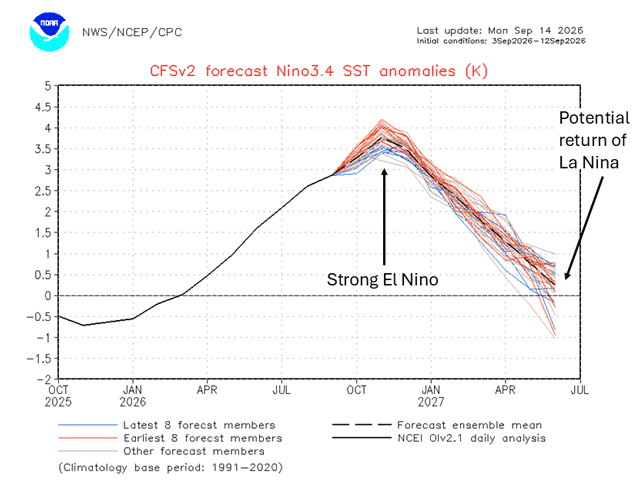
The phase of the El Nino Southern Oscillation may be fairly predictable after a strong El Nino phase.


A Nebraska bankruptcy judge ruled that Hansen-Mueller's surety companies have no claim to disputed grain proceeds, removing a key Chapter 11...

As fall ramps up, so does harvest and a wide variety of other chores for DTN's View From the Cab farmers.
Teresa Wells graduated in 2021 from the University of Oklahoma with a Bachelor of Science degree in meteorology and a minor in environmental sustainability. Since then, she has been a meteorologist with DTN, mainly creating and communicating forecasts for transportation and utility customers. Teresa works out of the Burnsville, Minnesota, office.
When she's not forecasting for transportation and utility clients, Teresa has started to become more involved in DTN's agriculture weather services, where she aims to tie her agriculture background to the weather. She grew up on her family's cattle and row crop operation in southwest Minnesota and continues to play an active role in the operation to this day.
The phase of the El Nino Southern Oscillation may be fairly predictable after a strong El Nino phase.
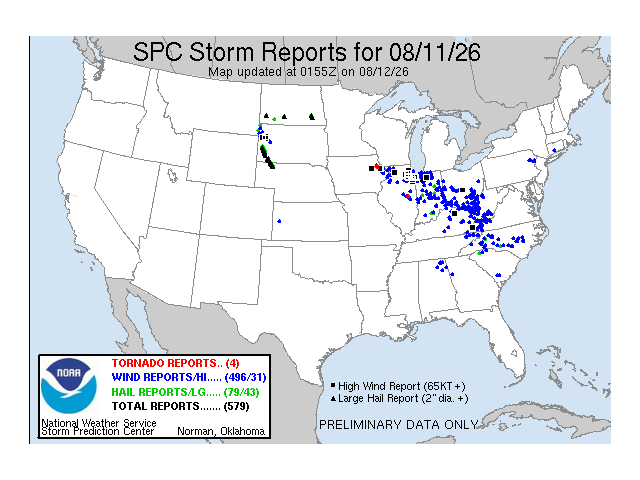
Widespread, damaging winds spanned from Iowa to Kentucky on Tuesday and another round of severe storms could lead to more damage on Wednesday across the Midwest.
Heavy rain in the Upper Midwest, hot temperatures in the southern Corn Belt, limited rain in Argentina, and heavier showers in the Black Sea next week are the weather factors driving the markets on Thursday.
The phase of the El Nino Southern Oscillation may be fairly predictable after a strong El Nino phase.
Heavy rain, localized flooding, and a strong temperature gradient are possible in the Midwest through the end of this week as the storm track across South America favors southern Brazil. These are the weather factors driving...
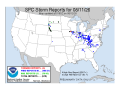
Widespread, damaging winds spanned from Iowa to Kentucky on Tuesday and another round of severe storms could lead to more damage on Wednesday across the Midwest.
A stalling front across the Corn Belt will be a focal point for shower and thunderstorm development throughout the day, especially in the Midwest. Some severe weather will be possible. Areas south of the front will remain hot with...
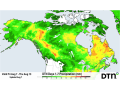
A pattern change may be in store for the southwest Canadian Prairies going into the middle of August.
Showers will continue across the Corn Belt next week, drier and cooler conditions return to Argentina, and remnants of Typhoon Dolphin could lead to flooding in the North China Plain. These are the weather factors driving the...
Strong thunderstorms and heavy rainfall are expected across the southern Corn Belt while scattered showers quickly advance through Argentina today. These are the weather factors driving the markets on Thursday.
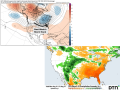
The first half of August could shape up to have relatively favorable precipitation across much of the Corn Belt as corn and soybeans continue through their critical reproductive stages.
Some heavier rain will target the Corn Belt today, moderate rain showers move through central Argentina tomorrow, and widespread showers favor southeast Australia this weekend. These are the weather factors driving the markets...
A slow-moving cold front continues across the Corn Belt this week with the High Plains missing out on rain while drier and cooler conditions return to Argentina late this week into next week. These are the weather factors driving...
A system producing widespread precipitation for areas of the Corn Belt, but questions about next week's rainfall, and another heat wave in Europe are the weather factors driving the markets Friday.
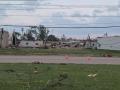
From giant hail to violent tornadoes, eastern Wisconsin became the target of severe weather on July 27.
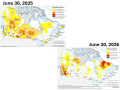
The drought-free Canadian Prairies are amid a fairly wet summer as crop ratings reflect recent rainfall, creating a stark difference from the summer of 2025.