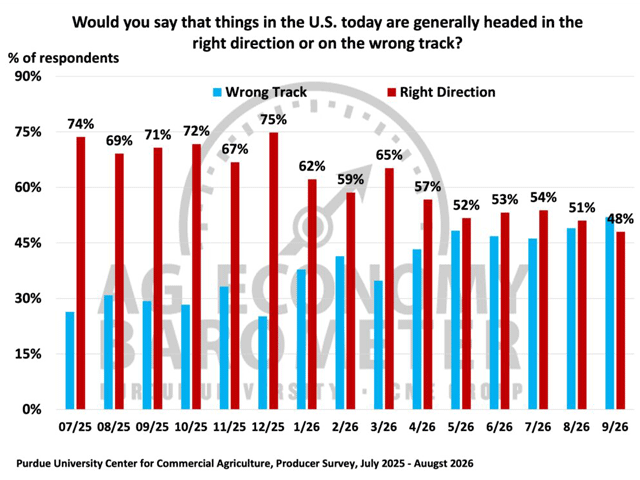
The Ag Economy Barometer showed that 54% of producers indicated that high input costs were the main factor limiting improvement in their farm's financial situation. The monthly survey was...


As fall ramps up, so does harvest and a wide variety of other chores for DTN's View From the Cab farmers.
DTN Farm Business Editor Chris Clayton has been writing and editing for DTN/The Progressive Farmer since 2005 after working more than seven years as a reporter for the Omaha World-Herald.
Chris has been recognized as writer of the year by the American Agricultural Editors' Association and won story of the year multiple times from the organization. He also has won the Glenn Cunningham Agricultural Journalist of the Year Award from the North American Agricultural Journalists and served as the group's president in 2012-13. The National Farmers Union and American Coalition for Ethanol also each have named Chris communicator of the year.
Chris graduated from the University of Missouri-Columbia in 1993 with a degree in journalism. He has worked for news organizations in Missouri, Kansas, Illinois and Nebraska. Chris lives in Glenwood, Iowa, with his wife and children.
The Ag Economy Barometer showed that 54% of producers indicated that high input costs were the main factor limiting improvement in their farm's financial situation. The monthly survey was...
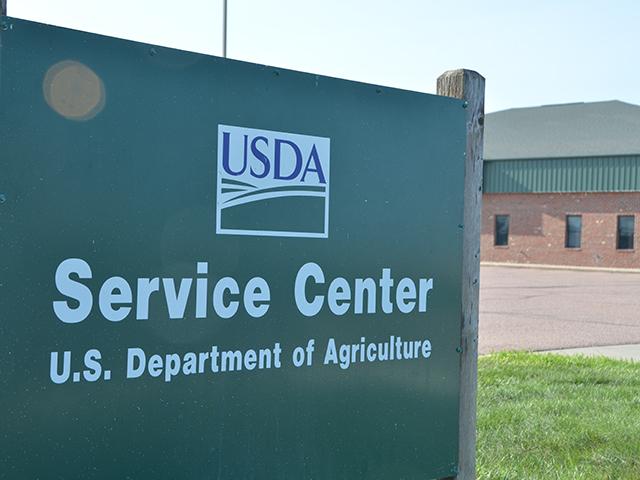
USDA forecasts direct farm payments will rise to $47.4 billion in 2026 as net farm income declines, while Trump proposes a $5,000 dividend for adult Americans if Republicans retain control of...

Kansas Gov. Laura Kelly visited Dodge City on Monday to address union workers and community leaders following a sweeping federal immigration enforcement action in the area two weeks ago. The ICE actions slowed the country's...
California Gov. Gavin Newsom signed a bill into law this week that would set a minimum wage for farmworkers at $19.75 an hour starting in January. Farm groups denounced the legislation, saying it would make labor unaffordable for...

Farmers in Iowa, Illinois and Wisconsin, along with solar energy groups, filed a lawsuit Monday in the U.S. District Court for the District of Columbia, suing USDA and department officials over changes to the Rural Energy for America...

Immigration and Customs Enforcement held an enforcement push last week in southwest Kansas, hitting three communities with major beef-processing facilities. The ICE enforcement action coincided with a nearly 16% drop in fed-cattle...

Former Agriculture Secretary Mike Johanns, a former Nebraska governor and U.S. senator who served as agriculture secretary under President George W. Bush, spoke at the start of an Ag Outlook Forum in downtown Kansas City last...

The latest surge in the Treasury bond market threatens to keep borrowing costs elevated and potentially pushes some rates higher at the same time farmers are already facing diesel prices at record highs and other inputs such...

Agribusinesses, investors and economic-development groups at the Bio Innovations North America conference in Omaha focused heavily on a central challenge: taking new biobased technologies from the laboratory to commercial...

Economists at an agricultural outlook forum questioned the impact of an export ban on diesel, while there was also some disagreement over whether farmers need more ad-hoc aid to deal with high diesel and fertilizer inputs.

New tariffs on imported drones and components are pushing agricultural drone companies to accelerate U.S. manufacturing efforts, though gaps in domestic supplies of batteries, motors and other key parts remain a major hurdle. As...

USDA announced enrollment began Sept. 16 for the 2026 crop year and will run through Dec. 11. USDA also will open ARC/PLC enrollment for the 2027 crop year from Nov. 2 through March 15...

Nebraska farmers enter harvest facing record diesel prices and rising input costs that are eroding higher crop prices. Nebraska Farm Bureau warns of mounting losses, tax pressures and continued volatility heading into 2027.

The Iowa Corn Growers Association said more than 170 farmers from 13 states gathered in Iowa on Friday for a hearing with USDA Deputy Secretary Stephen Vaden to discuss fertilizer prices. Farm groups have ramped up their...

Services and tributes for Iowa farmer Ray Gaesser will be held in his hometown on Sept. 18 and 19 while the World Food Prize Foundation has announced a special tribute event to Gaesser for Sunday, Sept. 20, in Des Moines. Gaesser...

Richard Fordyce, USDA undersecretary for Farm Production and Conservation, spoke about ARC, PLC and CRP payments in an interview with DTN at the Farm Progress Show. Fordyce said the Commodity Credit Corporation (CCC) has...

Farm leaders and agricultural economists at the Farm Progress Show pointed to stronger corn, soybean and wheat prices changing the financial outlook from just a few months ago. The rally is giving producers opportunities to lock...
Farm leaders and agricultural economists at the Farm Progress Show pointed to stronger corn, soybean and wheat prices changing the financial outlook from just a few months ago. The rally is giving producers opportunities to lock...

USDA officials on Tuesday used the opening of the Farm Progress Show to talk about how they are changing USDA's data collection for crop reports that farmers rely on for market decisions. That includes making surveys easier...

President Trump on Aug. 28 took to social media to pitch an idea to expand local rancher processing to counter the influence of major packers on the industry. Trump's comments come after he received backlash this week over his...

Farm and energy groups this past week warned the Commodity Futures Trading Commission (CFTC) against disrupting traditional physical commodity markets such as oil and natural gas contracts with the possibility of 24/7 trading...

Farm groups expressed disappointment after a ruling in the U.S. District Court of Eastern California could force the Labor Department to recalibrate wages for farm workers. The department changed the Adverse Effect Wage Rate...

The presidents of the American Farm Bureau Federation, Livestock Marketing Association, National Cattlemen's Beef Association and U.S. Cattlemen's Association co-signed a letter to Trump challenging the value of flooding the market...

The Canadian tariffs, ranging from 15% to 50%, are set to take effect Sept. 8 in retaliation for U.S. tariffs on roughly $20 billion in Canadian products that took effect after trade talks collapsed late last week.
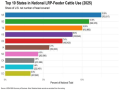
Economists at Kansas State University highlighted how producers in major cattle-producing states are relying more on USDA's Livestock Risk Protection (LRP) policies, especially to protect feeder cattle prices.
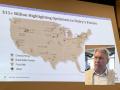
A former U.S. agricultural trade negotiator, Gregg Doud, president and CEO of the National Milk Producers Federation, hit on several topics driving agricultural demand. A smaller U.S. crop combined with tightening global grain supplies...

President Trump delayed tariffs late Tuesday on some Canadian products, including dairy products. The president's social media post also stated the negotiations with Canada are reopening the possibility of another Keystone XL...

Without a deal, the U.S. will hit Canada with 50% tariffs on Wednesday, involving roughly $20 billion in products, including dairy, cement, clothing, wine, furniture, and even hockey sticks. The fight over dairy highlights the outsized...

While commodity prices have rallied this month, crop margins remain tight with input costs such as fertilizer expected to stay high going into 2027. That could mean asking landlords to lower...

The new Beneficial Ownership Information final rule announced on Tuesday by the Treasury Department essentially removes the burden of reporting ownership details to the federal government for an estimated 32 million small...
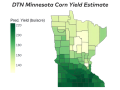
Farmers and analysts who spoke to DTN last week at Minnesota Farmfest said they expect the state's crops to produce yields comparable to last year, which saw record or near-record yields in most counties. DTN's Digital Yield...
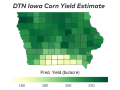
DTN's Digital Yield Tour projects Iowa will have the highest corn yield in the country at 214 bushels per acre (bpa). Iowa is also projected to have the second-highest soybean yield at 61.8 bpa. While both yields are strong, Iowa's...

The Minnesota Farmfest show hosted an outlook forum with farm economists and a commodity analyst looking at finances and market conditions. That was followed by standing-room-only debates for governor and U.S. Senate races in...

Agriculture Secretary Brooke Rollins spoke at Farmfest in Minnesota on Tuesday, announcing some changes to crop insurance, including a two-month delay for paying premiums this year. She also talked about modernizing USDA data...
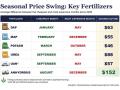
Buying seed, fertilizer and crop protection products months before planting can lower total input costs and protect farm profits.
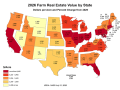
USDA on Friday released its annual Land Values Summary report, covering both cropland and pasture. Nationally, cropland values topped $6,000 an acre for the first time, while pasture values also reached $2,000 an acre.
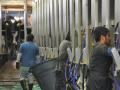
Six Republican senators and 12 GOP House members wrote to the secretaries of the departments of Homeland Security, Labor and State urging administrative actions to deal with growing problems with the H-2A visa program used by...
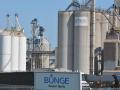
In announcing Bunge's second quarter finances on Wednesday, the company's executives said strong soybean crushing margins, expanding renewable-fuel demand and geopolitical disruptions are collectively creating a favorable...
The Trump administration announced new tariffs on Brazilian products on July 15, but excluded some key agricultural products such as beef and coffee. Brazilian ethanol will face a tariff; however, Brazil hasn't been exporting...
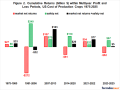
Over time, the farm safety net has shifted from primarily offsetting market losses to increasingly boosting profitability for major commodity crops since 2007, according to economists at Ohio State University and the University of...

In a federal lawsuit over patent and licensing rights to glyphosate-resistant corn seed, Bayer CropScience on Monday asked a federal judge to dismiss an antitrust lawsuit brought by Latham Quality Inc., a company that alleged...