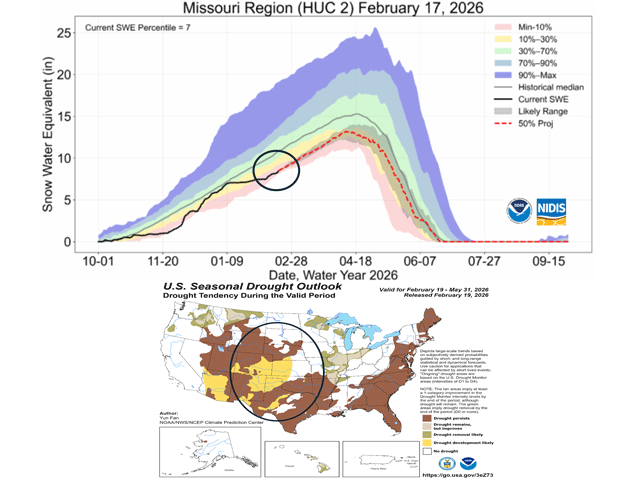
Drought is expected to cover most of the Plains during the upcoming spring season.


The spring projected price used for crop insurance revenue policies for the 2026-27 corn crop on Friday ended February at $4.62 a bushel. The...

Founded in 1884 when veterinarian A.E. Cross traveled from Montreal to Alberta, Cross Cattle Company boasts more than a century of ranching...
Bryce Anderson has been DTN's ag meteorologist and fill-in market analyst since 1991. He combines his expertise in weather forecasting with a south-central Nebraska farm background to bring in-depth, focused commentary on the top weather developments affecting agriculture each day.
His comments in the DTN Ag Weather Brief and the DTN Market Impact Weather articles are read by persons involved in all aspects of the agricultural industry and in all major crop and livestock production areas of the U.S. and Canada.
Bryce also delivers forecast commentary on regional and national farm broadcast programs and hosts DTN audio and video productions.
Prior to joining DTN, Bryce was in radio and television farm broadcasting and agricultural meteorology at stations in Iowa, Missouri and Nebraska. He holds a degree in broadcast journalism from the University of Nebraska, and a certificate of broadcast meteorology from Mississippi State University.
Drought is expected to cover most of the Plains during the upcoming spring season.
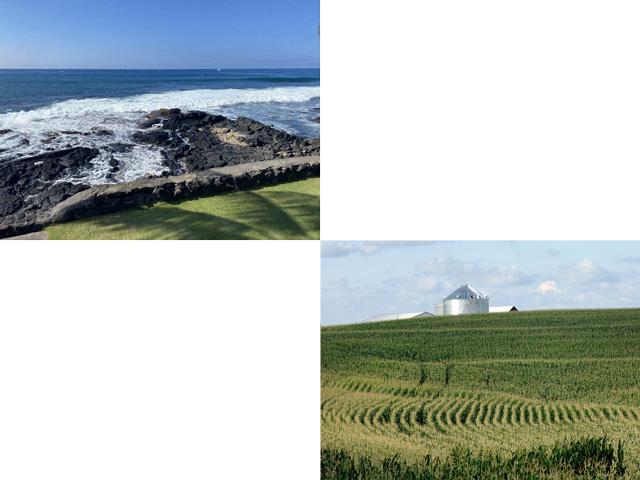
Mild summer temperatures and periods of rain are suggested for corn-producing states when El Nino develops.
Drought is expected to cover most of the Plains during the upcoming spring season.

Mild summer temperatures and periods of rain are suggested for corn-producing states when El Nino develops.

La Nina influence is noted in overall below-average January precipitation.
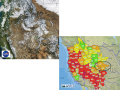
Plains dryness brings a comparison to the harsh 2002 drought year.
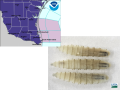
Record cold in northern Mexico helps to delay the possible arrival of New World screwworm in the southern U.S.
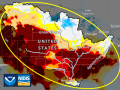
Lower Mississippi tributaries saw notable drying from early winter warmth.
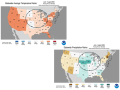
Summer 2025 brought mostly favorable rainfall and limited stressful heat to primary central U.S. crop areas.
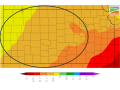
La Nina influence led to Southern Plains December precipitation deficits of 75% to over 90%.
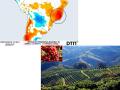
Brazil's coffee production is trying to recover from drought damage in 2024.
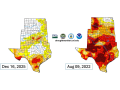
Significant losses in wheat, cotton and livestock occurred during the Southern Plains five-year drought.
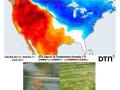
Despite arctic cold, tar spot has adapted to survive Midwest winters.
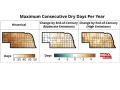
Corn yields may drop as much as 40% by the end of this century due to climate change impact.