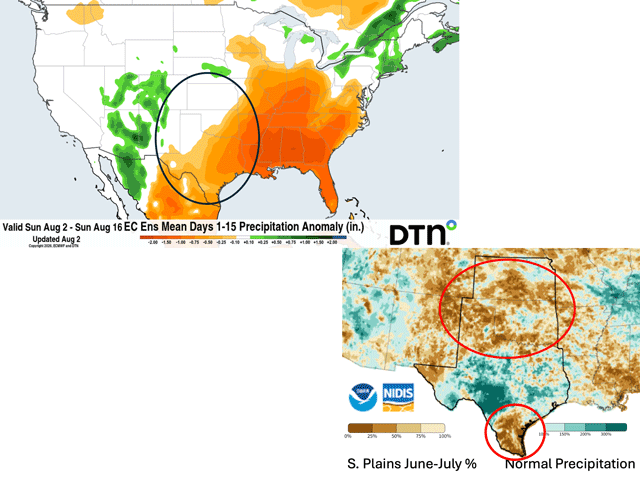
Flooding July rain in the Southern Plains bypassed most crop areas.


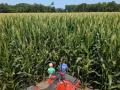
Weather continues to be a theme for DTN's View From the Cab farmers this season. The Maryland and Minnesota farmers are giving thanks for some...
Bryce Anderson has been DTN's ag meteorologist and fill-in market analyst since 1991. He combines his expertise in weather forecasting with a south-central Nebraska farm background to bring in-depth, focused commentary on the top weather developments affecting agriculture each day.
His comments in the DTN Ag Weather Brief and the DTN Market Impact Weather articles are read by persons involved in all aspects of the agricultural industry and in all major crop and livestock production areas of the U.S. and Canada.
Bryce also delivers forecast commentary on regional and national farm broadcast programs and hosts DTN audio and video productions.
Prior to joining DTN, Bryce was in radio and television farm broadcasting and agricultural meteorology at stations in Iowa, Missouri and Nebraska. He holds a degree in broadcast journalism from the University of Nebraska, and a certificate of broadcast meteorology from Mississippi State University.
Flooding July rain in the Southern Plains bypassed most crop areas.
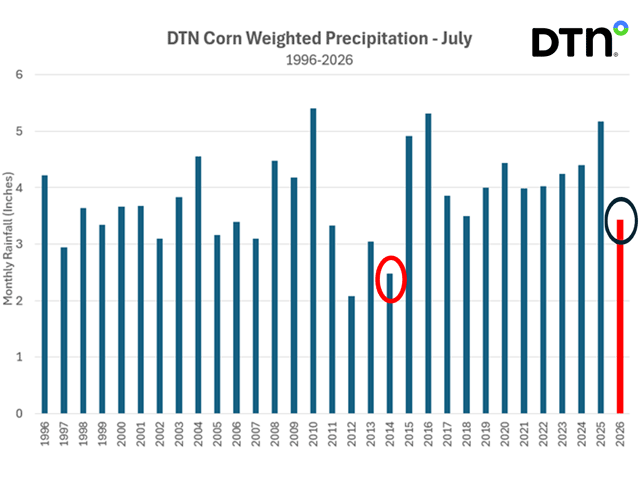
Mixed rain and heat lead to concern about trendline yield prospects for 2026 harvest.
Flooding July rain in the Southern Plains bypassed most crop areas.
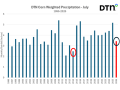
Mixed rain and heat lead to concern about trendline yield prospects for 2026 harvest.

El Nino may be playing a part in the western U.S. monsoon outlook for this year.
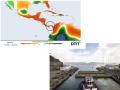
El Nino developments bring memories of dryness-related Panama Canal delays back in 2023-24.
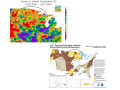
Areas of dryness in parts of the northern Corn Belt are a continued possibility for summer 2026.

Hundreds of ocean weather and climate monitors are being taken out of the North Pacific and North Atlantic.
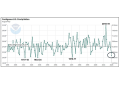
Late summer 2025 through spring 2026 was the sixth driest on record in the Lower 48 states.
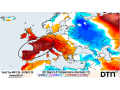
Extreme late spring-early summer heat in Europe is becoming more frequent.
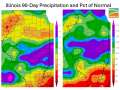
Soil moisture stands to offer both short- and long-term benefits for row crops.
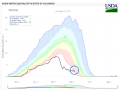
Very warm weather means surface moisture will evaporate before soaking into the soil profile.