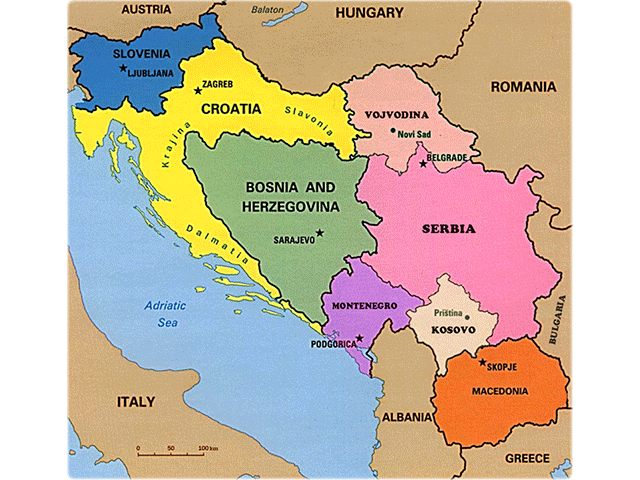
The countries that were once part of Yugoslavia serve as a reminder of how nationalistic passions can get out of hand.


Surety companies asked a Nebraska bankruptcy court to halt Hansen-Mueller cash distributions, arguing an appeal over $7.9 million in grain...

As the 2026 crop fills the hopper for DTN's View From the Cab farmers, fall operations start and plans begin to ratchet up for 2027.
Urban C. Lehner joined DTN as editor-in-chief in July 2003. He became vice president of the editorial operations of DTN and the Progressive Farmer in July 2010. He is a past president of the North American Agricultural Journalists and in August 2009 was named "Writer of the Year" by the American Agricultural Editors' Association.
Previously he spent 33 years at The Wall Street Journal, including 20 in Europe and Asia. Most recently he was vice president, business development. Other positions included publisher and executive editor of The Asian Wall Street Journal, managing editor of The Wall Street Journal Europe, Tokyo bureau chief, Detroit bureau chief and Washington economics reporter.
He co-authored a 1989 series on U.S.-Japan relations that won an Overseas Press Club citation for excellence. He authored and edited "Let's Talk Turkey About Japanese Turkeys and Other Tales from The Asian Wall Street Journal" (Charles Tuttle, Rutland, Vt., and Tokyo, 1996).
Born and raised in Grand Rapids, Mich., he has a bachelor's degree in history from the University of Michigan and a law degree from Georgetown University.
The countries that were once part of Yugoslavia serve as a reminder of how nationalistic passions can get out of hand.
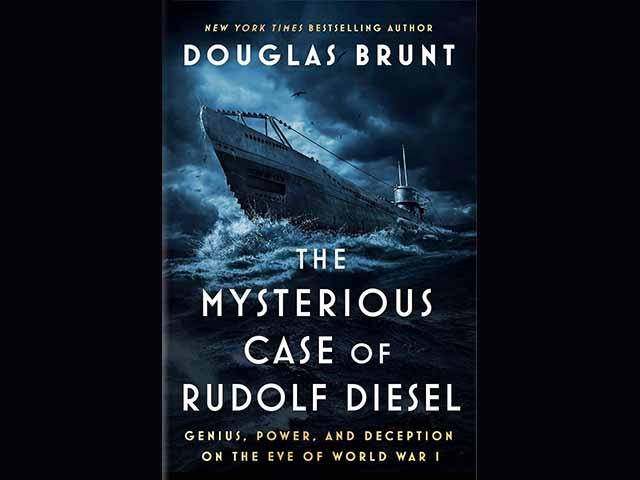
The inventor of the diesel engine wanted it to run on 100% plant oil. The world would have evolved differently had his dream come true.
The inventor of the diesel engine wanted it to run on 100% plant oil. The world would have evolved differently had his dream come true.

The Federal Reserve is now raising rates, not lowering them, and supply-and-demand fundamentals may keep rates higher.
The Federal Reserve is now raising rates, not lowering them, and supply-and-demand fundamentals may keep rates higher.
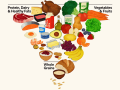
A lawsuit contends the Trump administration didn't follow required legal procedures in adopting the 2025 to 2030 Dietary Guidelines for Americans. How important is it for the government to observe procedural niceties?

The holiday Americans observe on the first Monday in September is a case study in how a holiday can change over time, including what it celebrates.

The Iran war shows little sign of ending. Today's crude oil price is 10% or so higher than when the war began. Diesel's price is 40% or more higher.
The Iran war shows little sign of ending. Today's crude oil price is 10% or so higher than when the war began. Diesel's price is 40% or more higher.
Market interest rates are rising. The Federal Reserve could soon be following course. Continued inflation above the Fed's 2% target is the main driver.
Market interest rates are rising. The Federal Reserve could soon be following course. Continued inflation above the Fed's 2% target is the main driver.
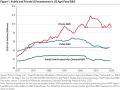
The problem for American farmers and ranchers isn't that China is spending more on ag research. It's that we're spending less.
The problem for American farmers and ranchers isn't that China is spending more on ag research. It's that we're spending less.