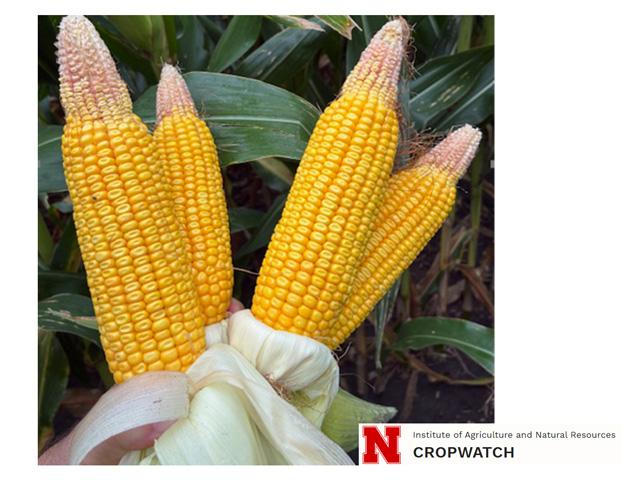
Corn under irrigation had heat stress this season, even with available moisture.



A federal appeals court cleared the way for a proposed $41 million settlement in Oklahoma's long-running poultry pollution lawsuit, sending key...

The American Royal will debut events at its new Kansas City, Kansas, facility, ending 127 years in the West Bottoms location. Shows begin...
Bryce Anderson has been DTN's ag meteorologist and fill-in market analyst since 1991. He combines his expertise in weather forecasting with a south-central Nebraska farm background to bring in-depth, focused commentary on the top weather developments affecting agriculture each day.
His comments in the DTN Ag Weather Brief and the DTN Market Impact Weather articles are read by persons involved in all aspects of the agricultural industry and in all major crop and livestock production areas of the U.S. and Canada.
Bryce also delivers forecast commentary on regional and national farm broadcast programs and hosts DTN audio and video productions.
Prior to joining DTN, Bryce was in radio and television farm broadcasting and agricultural meteorology at stations in Iowa, Missouri and Nebraska. He holds a degree in broadcast journalism from the University of Nebraska, and a certificate of broadcast meteorology from Mississippi State University.
Corn under irrigation had heat stress this season, even with available moisture.
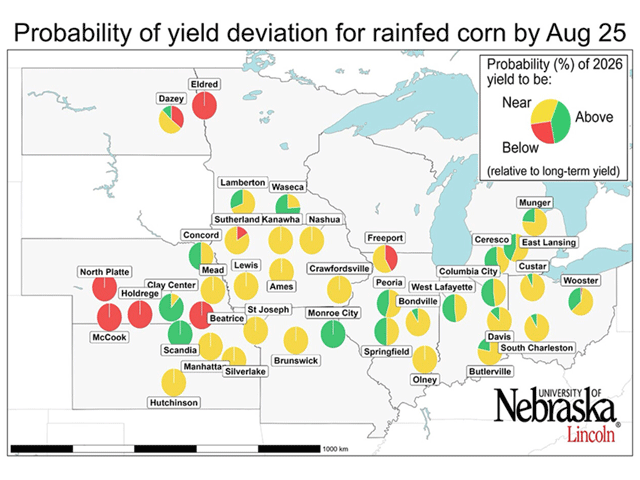
The UNL Hybrid-Maize yield model points to near- to above-average non-irrigated Midwest corn yields as of Aug. 25, 2026.
Corn under irrigation had heat stress this season, even with available moisture.
The UNL Hybrid-Maize yield model points to near- to above-average non-irrigated Midwest corn yields as of Aug. 25, 2026.
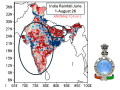
Monsoon rains have bypassed some high-production states in the India subcontinent.
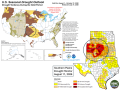
Extreme to exceptional drought has a tight grip on Oklahoma and Texas Panhandle winter wheat areas.
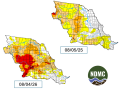
The hottest U.S. July on record keeps low runoff prospects in place for the Upper Missouri Basin.
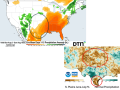
Flooding July rain in the Southern Plains bypassed most crop areas.
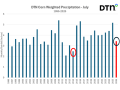
Mixed rain and heat lead to concern about trendline yield prospects for 2026 harvest.

El Nino may be playing a part in the western U.S. monsoon outlook for this year.
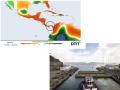
El Nino developments bring memories of dryness-related Panama Canal delays back in 2023-24.
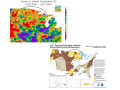
Areas of dryness in parts of the northern Corn Belt are a continued possibility for summer 2026.

Hundreds of ocean weather and climate monitors are being taken out of the North Pacific and North Atlantic.