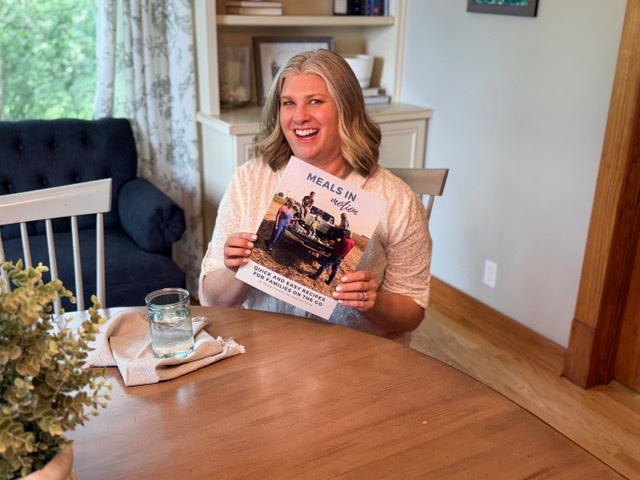

A new cookbook aimed at making field meals quick and easy provides satisfying answers to the question of how to keep farmers fed.
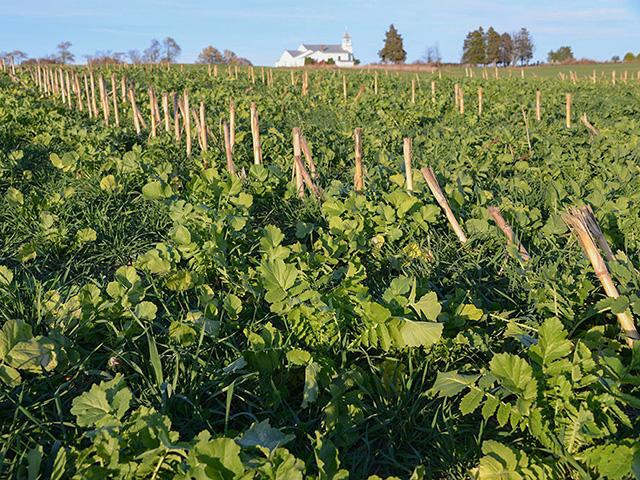
Farmers for Soil Health, an initiative to increase the use of cover crop acres on U.S. farmland, has restructured its contracts and increased its payment rates. Enrollment is open until Aug. 31, 2026.
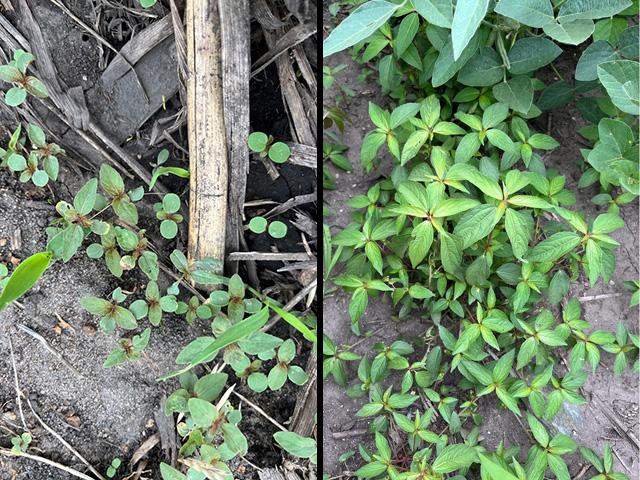
A new weed is showing up in Iowa and Illinois, and farmers are being asked to watch for it this season.
EPA released its long-awaited draft Fungicide Strategy earlier this month, and on Wednesday, May 20, the public has an opportunity to hear from agency scientists who helped develop it.
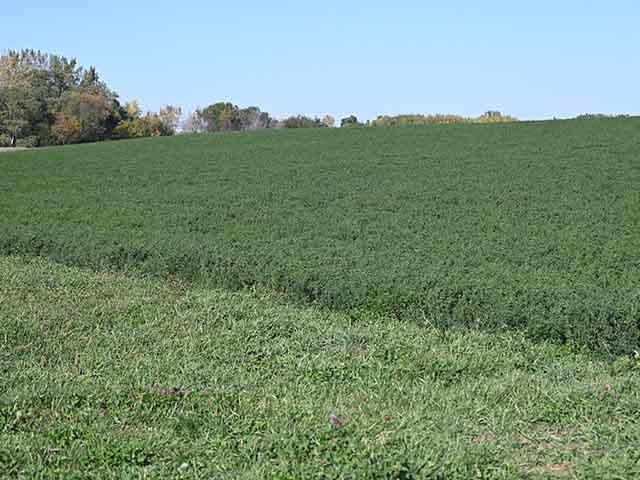
As warmer temperatures begin to be seen in the Midwest, alfalfa weevil populations could be on the increase. Experts tell alfalfa growers to scout their fields every few days and treat fields with high populations of the pest. Failure to do this could lead to lost forage yield...
Slow crop growing conditions coupled with black cutworm moth flights and egg laying are creating a perfect storm for potential feeding on corn and soybeans.
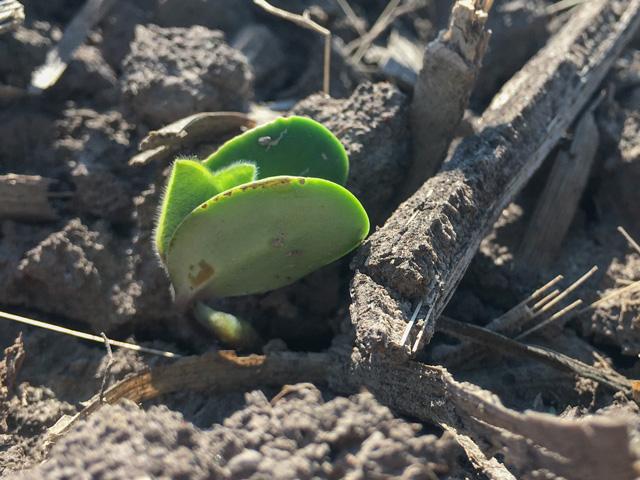
Frosts and freezes may lead to less-than-ideal soybean stands, but replanting may not be necessary.
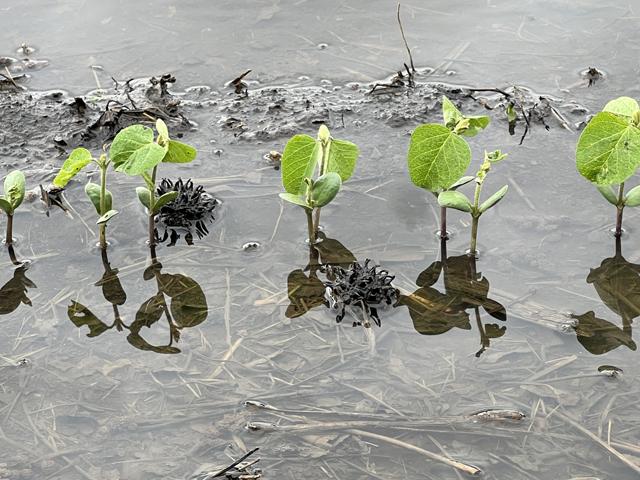
Answering the question of how long a crop can hold its breath underwater requires some patience.
Be safe and stay alert. Here are six things to consider this season regarding safety and farm insurance protection.
Meet the farmers from Maryland and Minnesota who will be reporting this season as part of DTN's feature called "View From the Cab."
A new collection of realistic coloring books deliver fresh-from-the-farm details.
The survey, sponsored by American Farm Bureau Women's Leadership Committee and funded by CoBank and JBS, will help identify what's working, where there are gaps, and how agricultural communities and organizations can better support women across all roles.
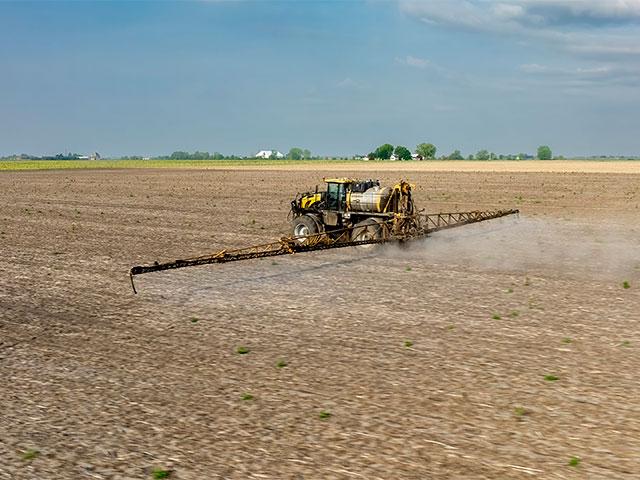
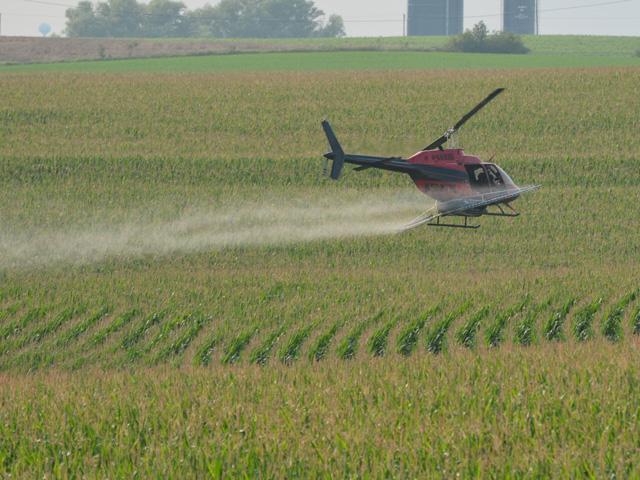
EPA cut the annual dicamba application maximum in half when it issued new registrations for three over-the-top dicamba herbicides. So, when's the best time to use the limited active ingredient?
Farmers have varied opinions about cover crops. Those who organize the National Cover Crop Survey want to hear all of them before the end of March.
The 11th annual National Wheat Yield Contest expands participation options for both spring and winter wheat farmers raising grain under both irrigated and dryland scenarios.
While new federal labels for over-the-top dicamba herbicides don't restrict use by a calendar date or crop growth stage, some states are implementing such cutoffs.
A new guide helps soybean farmers identify and manage four of the biggest nematode threats.
Lotion fresh from the dairy farm can help show your softer side this Valentine's Day.
Coloring books can make snow days brighter, especially when they involve farm themes. Here's some that will encourage all ages to get creative.
The cab door is open. Apply for a chance to tell your farm's story as part of DTN's ongoing project called View From the Cab.
DIM[2x3] LBL[blogs-production-list] SEL[[data-native-ad-target=articleList]] IDX[2] TMPL[news] T[]
DIM[2x3] LBL[blogs-production-list-2] SEL[[data-native-ad-target=articleList]] IDX[5] TMPL[news] T[]