

Production Blog
Six Reasons to Check Farm Insurance Coverage
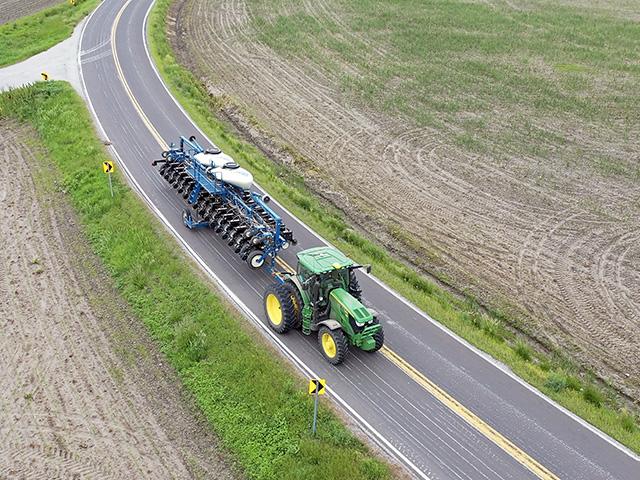
Spring planting can bring its own collision course. It's a busy time and puts a focus on preparedness and the need to review insurance protections.
Farm equipment collisions are the most common claim for Country Financial Farm Clients during planting season, according to a recent release from the company. The company based in Bloomington, Illinois, received more than 180 farm equipment collision claims last year between March and June. These claims include collisions on the road with other vehicles, as well as collisions with buildings or other equipment on the farm.
"The planting window is short, and farmers can't afford to lose time to setbacks from accidents, which unfortunately can happen when rushed or not prepared," said Zack Hinthorn, agribusiness underwriter at Country. "Taking time now, before the rush begins, keeps farmers safe and operations running smoothly."
Hinthorn shared six tips for a safe and successful planting season:
1. Improve visibility on the road. Accidents involving farm equipment often occur at dawn or dusk during peak commuting hours, especially when motorists attempt to pass slow-moving vehicles or do not anticipate turns or stops. Use flashing lights. Ensure reflective tape and slow-moving vehicle (SMV) emblems are clean. Confirm all lights are functioning properly to help maximize visibility and reduce risk. Remember to use turn signals, as drivers often misinterpret a tractor moving to the right side of the road before making a left turn.
2. Prepare equipment. Equipment malfunctions are a common cause of farm accidents. Thoroughly inspect and maintain all farm equipment before hitting the fields. Regular maintenance such as checking worn parts, replacing filters and lubricating moving components can reduce unexpected breakdowns and improve overall safety.
3. Take extra caution when handling chemicals. Review safe handling procedures for fertilizers, pesticides and other hazardous materials with all farm workers to help ensure everyone is aligned on proper protocols. Have Safety Data Sheets (SDS) on hand in case of emergency and ensure the use of personal protective equipment, including gloves, goggles and masks.
"Safety on the farm isn't just about equipment -- it's about awareness, communication and looking out for one another," Hinthorn said. "Refreshing safety practices each season helps prevent injuries and protects everyone involved."
4. Prevent theft. Theft of tools, chemicals and other personal property is common during planting season and can occur when equipment is left unlocked in the field, and when farmers are in and out of sheds frequently and don't close and lock the doors. Take time to ensure valuable items are secured.
P[L1] D[0x0] M[300x250] OOP[F] ADUNIT[] T[]
5. Check insurance coverage and review extra coverage options. Farmers should check their farm insurance coverages to be sure they have the right endorsements and coverages. For example, with "Extra Expense" coverage, a farmer who has a covered loss on a piece of equipment may be able to receive additional payment to rent equipment and resume operations.
In email correspondence with DTN, John Grant, with Commercial/Agribusiness Underwriting at Country Financial, explained that temporary increases to your farm's personal property should also be considered. Seed you take ownership of for your own operation is a good example, he noted.
"Many clients will insure this (seed) as peak season, so that while they are in possession of this product, they will have a temporary increase in coverage," Grant said. "That value should be reviewed each year with your financial representative to ensure it is adequate."
Additionally, farmers who sell seed corn may need to purchase "Additional Business Personal Property" and potentially add an "Incidental Business Pursuit" endorsement to their policy, he said.
If you have sold or purchased new equipment, it's a good time to check farm inventory lists to be sure they are accurate and up to date. Insurance agents can discuss buildings, livestock, employees, custom work and grain hauling to help ensure proper protections are in place.
6. Take care of your health. Long hours and physical demands can take a toll, making it important to take breaks, eat healthy meals, get enough rest and understand how medications may affect alertness. Let family members or employees know where you're working and keep a phone or radio nearby in case of emergency.
For more information on Country go to: www.countryfinancial.com/farm
**
MORE DTN ARTICLES AVAILABLE ON FARM SAFETY
Find more information on farm safety on the road from DTN here:
-- "Risks to Operating Machinery on Roads," https://www.dtnpf.com/…
-- "Remember Rural Road Safety," https://www.dtnpf.com/…
For more about how to prevent theft on your farm, see these DTN articles:
-- "8 Ways to Beef Up Security on Your Farm or Ranch," https://www.dtnpf.com/…
-- "Sheriff Offers Tips to Protect Against Theft on Farms," https://www.dtnpf.com/…
For more on pesticide safety, including storing pesticides:
"Production Blog: Take Anhydrous Safety Seriously," https://www.dtnpf.com/…
-- "Pesticide Storage Refresher," https://www.dtnpf.com/…
To see farm safety tips to consider when working alone:
-- "Consult Farm Safety Checklist First Before Working Alone," https://www.dtnpf.com/…
(c) Copyright 2026 DTN, LLC. All rights reserved.
Comments
To comment, please Log In or Join our Community .