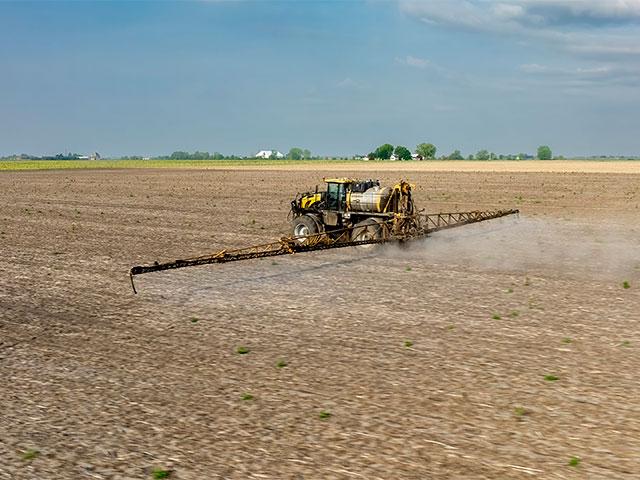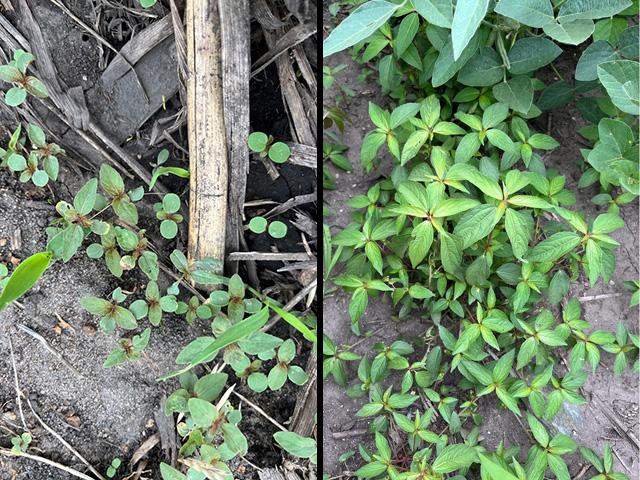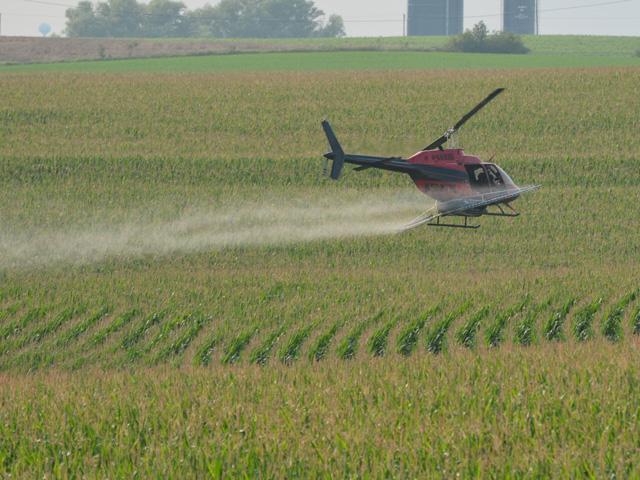

While new federal labels for over-the-top dicamba herbicides don't restrict use by a calendar date or crop growth stage, some states are implementing such cutoffs.
A new guide helps soybean farmers identify and manage four of the biggest nematode threats.
Lotion fresh from the dairy farm can help show your softer side this Valentine's Day.
Coloring books can make snow days brighter, especially when they involve farm themes. Here's some that will encourage all ages to get creative.
The cab door is open. Apply for a chance to tell your farm's story as part of DTN's ongoing project called View From the Cab.
What's your soil temperature? If it's above 50 degrees, it's not yet time to apply anhydrous.
In September, USDA estimated a corn crop averaging 186.7 bpa. However, one seed company's harvest data is trending lower than last year when the record average corn yield was set at 179.3 bpa.
That cloud of black behind the combine might be more than dust. It's nature's way of degrading plant tissue.
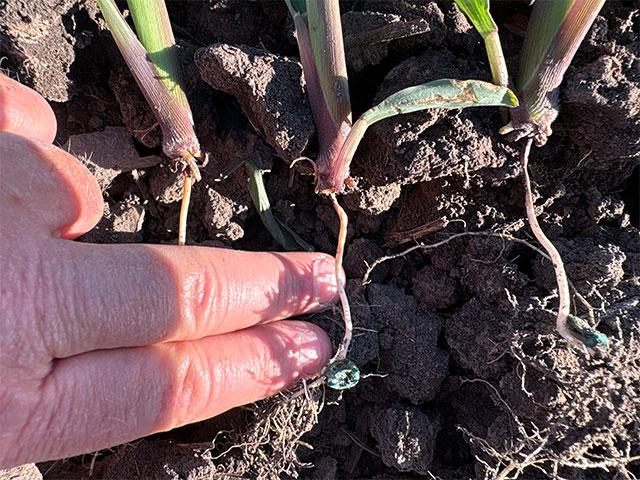
It's National Nematode Day. What do you know about this yield threat?
Soybean cyst nematodes are always a threat, but dry conditions increase the likelihood they will be troublesome in 2026 and increase the need for testing this fall.
Maximizing your corn crop's value is a balancing act between getting as many kernels out of the field as possible at the most economic moisture for your farming operations.
In 2026, more pesticide labels are likely to require measures to protect endangered species. EPA is offering a webinar next week to help farmers navigate these requirements.
Here's why black layer means game over on building dry matter in a corn crop.
From new herbicides and trait stacks to an early detection network for fungal diseases, there was plenty to pique the interest of soybean farmers at the 2025 Farm Progress Show.
Time to head to the field and get a read on the milk line. Farmers report it is moving quickly this year.
Wondering why ears are missing kernels? Here are six reasons tip back happens in corn from Burrus Seed Agronomist Dana Harder.
The University of Illinois lab responsible for innovations such as short stature corn and super sweet varieties of sweet corn is in jeopardy of closure. A vital soybean seed lab is also on the proposed closure list.
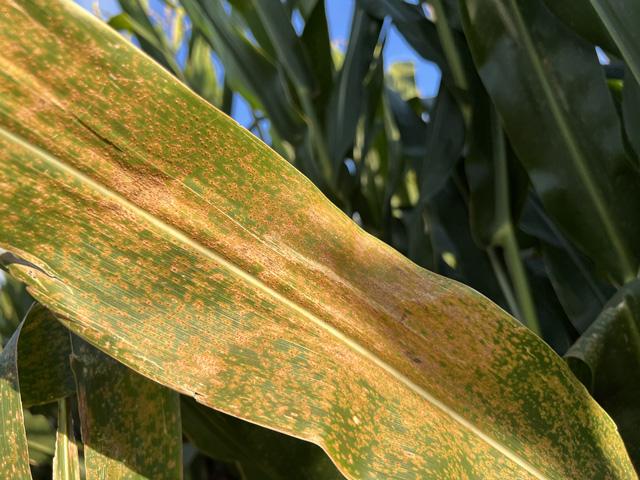
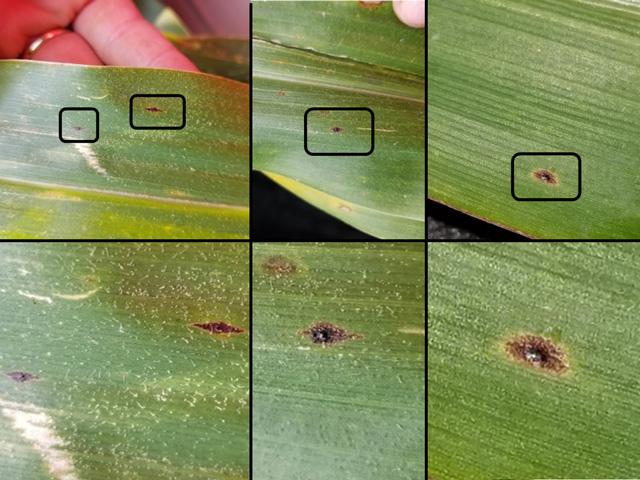
It's time to see if you can spot tar spot in cornfields.
In what may likely be a first, kochia has been reported in soybean fields in northwest Missouri.
With application windows narrowed by either wind or rain, time may be running out for spraying herbicides over the top in some corn fields.
DIM[2x3] LBL[blogs-production-list] SEL[[data-native-ad-target=articleList]] IDX[2] TMPL[news] T[]
DIM[2x3] LBL[blogs-production-list-2] SEL[[data-native-ad-target=articleList]] IDX[5] TMPL[news] T[]