
Our weekly feature called View From the Cab offers a more personal look at farming and farm life. Are you willing to volunteer to give your perspective?
In box retail chain stores across several states, decorative cornstalks infected with tar spot, a fungal disease, have been discovered. These decorations could potentially spread the yield-reducing pathogen to new areas.
Every other year, Syngenta hosts its agricultural media summit, which this year was held in Greensboro, North Carolina. Here are some developments the company shared with journalists this year.
Nematodes are a big deal. Observe National Nematode Day by testing your own knowledge about the silent killer and putting it to work in the field.
While it may not be possible to completely eliminate losses at harvest, a few simple adjustments are all it takes to put more grain in the tank and, ultimately, more profit in your pocket.
Crop moisture is topic of the week for DTN's View From the Cab farmers. They also reveal what keeps harvest rolling and what they are listening to as it happens.
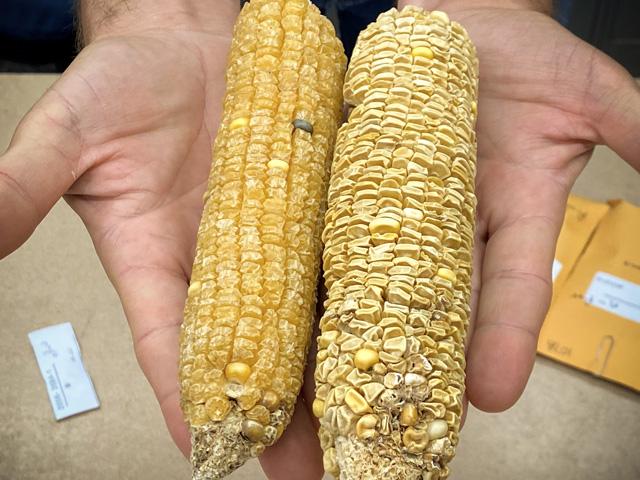
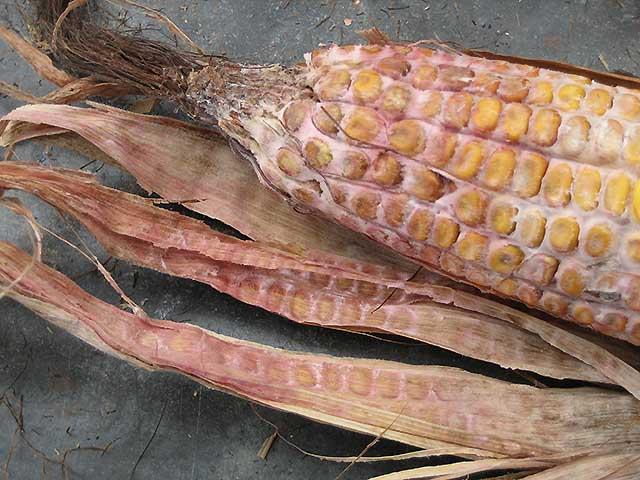
Don't let Gibberella ear rot complicate harvest this fall. Scout now to identify fields where issues may arise.
Corn condition was rated 64% good to excellent, and soybean condition was rated 65% good to excellent as of Sunday, Sept. 8. Spring wheat was 85% harvested.
Harvest is in full swing for DTN's View From the Cab farmers in Idaho and Kentucky. This week they give an update and talk current economic views.
It takes 4 to 6 weeks after planting for SCN females to begin appearing on soybean root surfaces. It is an early clue that you need to do more testing.
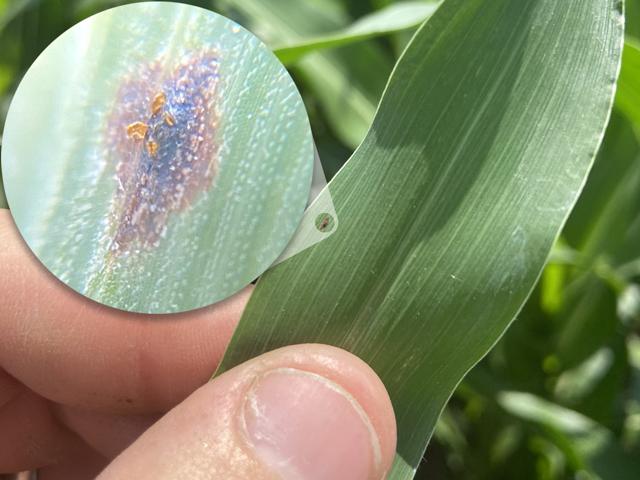
Plant pathologists are urging corn farmers to scout diligently for tar spot, but to be judicious in fungicide use.
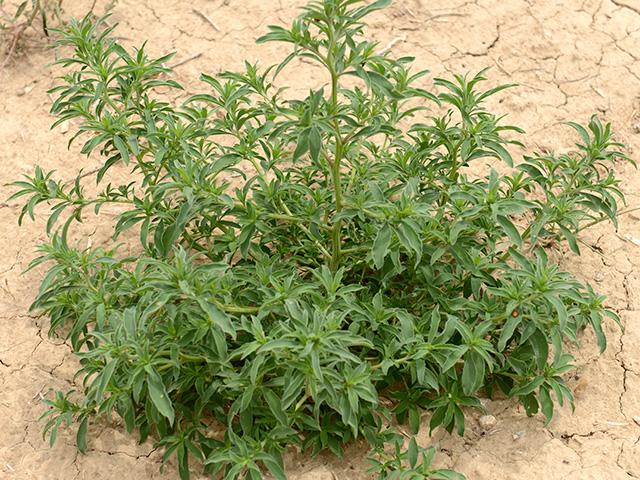
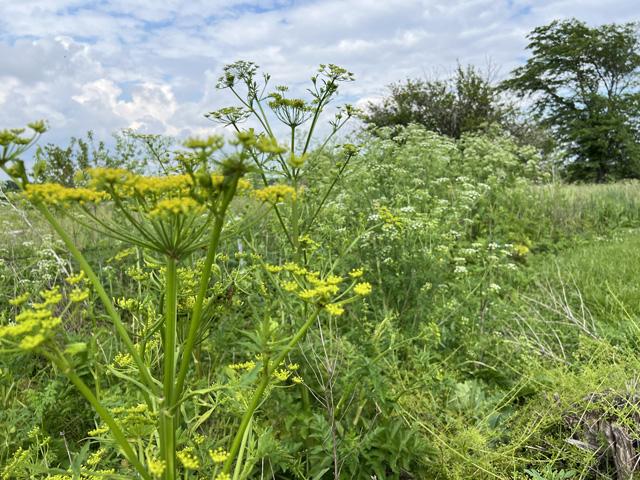
Since 2015, the national and regional weed science societies have conducted weed surveys in various crops. This year, they're asking farmers and other landowners about the most common and troublesome weeds in aquatic and non-crop areas.
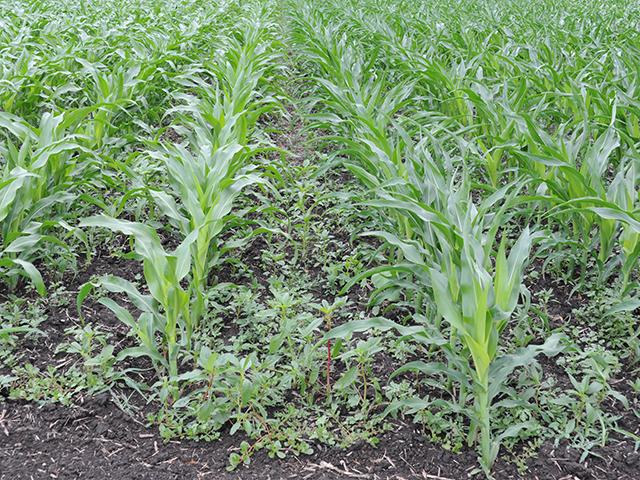
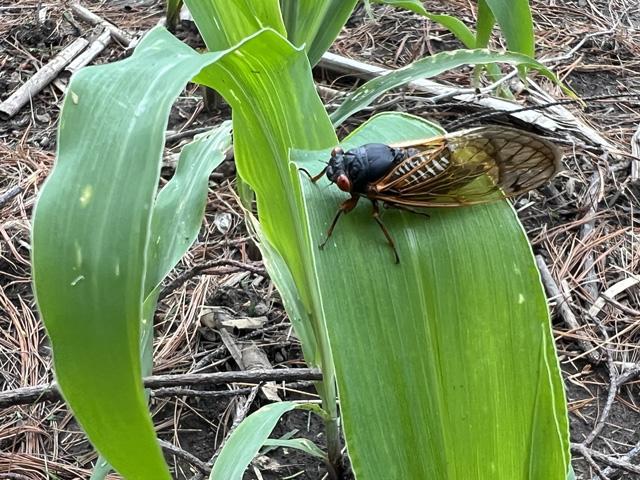
There's a lot of "stuff" going on in the field right now. Time to make sure you don't have unwelcome visitors.
Fast-growing corn and strong winds can make the plant vulnerable to greensnap. Here are some factors to consider.
Floodwaters have once again claimed major sections of cropland. Here are some resources to help assess the damage.
Get a jump-start on SCN detection by digging soybean roots this summer. Begin four weeks after planting to find the small, white, adult SCN females.
Have farmers sprayed dicamba over their soybeans for the last time? The beginning of what could be the end in the tumultuous saga of the controversial herbicide is here as major soybean states reach the June 12 cutoff date set by EPA's existing stock order.
The next chapter in the saga of "over-the-top" dicamba herbicide is slated to close today as the public comment period for Bayer's latest product ends at midnight.
Let your kids dig into these children's books that explain the importance of soil and conserving agriculture's precious resource.
How fit was the ground at planting this year? The best tool to evaluate the outcome and make further input decisions is an old-fashioned shovel.
DIM[2x3] LBL[blogs-production-list] SEL[[data-native-ad-target=articleList]] IDX[2] TMPL[news] T[]
DIM[2x3] LBL[blogs-production-list-2] SEL[[data-native-ad-target=articleList]] IDX[5] TMPL[news] T[]