

Ag Policy Blog
Farm Bill Markup Begins With SNAP, Tobacco and CRP
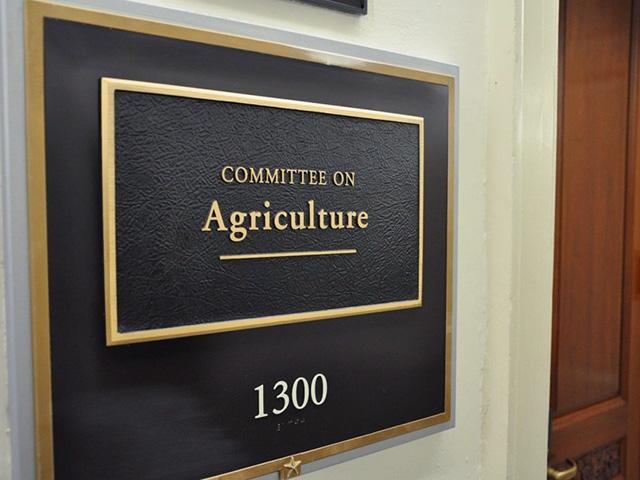
OMAHA (DTN) -- The House Agriculture Committee began marking up the Farm Bill on Tuesday night during a nearly six-hour session that largely included opening statements from the 53 members of the committee, though lawmakers did get into some proposed changes in commodities and conservation.
Leading into the markup of the "Farm, Food and National Security Act of 2026," House Agriculture Committee Chairman Glenn "GT" Thompson, R-Pa., released a list of more than 230 organizations backing the bill. Thompson's statement also included comments from farm organizations and related groups supporting the legislation.
Rep. Angie Craig, D-Minn., said in her opening statement she opposed the bill because of what she described as "poison pills" and missed opportunities to work in a bipartisan manner. "To be fair, there are some bipartisan provisions in the bill, which I appreciate, as I led efforts on them," Craig noted.
Republicans countered that the bill was bipartisan priorities across multiple titles in the bill.
In opening statements, the biggest clash was over nutrition programs with Democrats repeatedly highlighting the $187 billion in cuts from the Supplemental Nutrition Assistance Program (SNAP) in the One Big Beautiful Bill Act last summer. Republicans stressed the budget constraints they were facing and that the Farm Bill should focus on agricultural policy.
The House Agriculture Committee resumed debate early Wednesday morning, debating the potential of allowing people to buy rotisserie chickens or other hot-meal products with SNAP.
P[L1] D[0x0] M[300x250] OOP[F] ADUNIT[] T[]
As is often the case, lawmakers will pontificate on an amendment, explain how important it is, then withdraw it.
BRING BACK TOBACCO SAFETY NET
Rep. David Rouzer, R-N.C., introduced an amendment Tuesday night to bring back tobacco as a commodity under the Commodity Credit Corp. (CCC) for economic aid. Tobacco farmers underwent a $10 billion buyout in 2004 that then essentially excluded tobacco from the CCC. Rouzer wants tobacco farmers to ensure they get ad-hoc disaster or emergency assistance. Currently, if Congress creates a disaster package, they typically ensure tobacco farmers are included, but if aid comes from the administration, such as the Farmer Bridge Assistance (FBA), tobacco is excluded. Rouzer called it a technical change that the Congressional Budget Office (CBO) scored as neutral.
Rep. Don Davis, D-N.C., also spoke in support of the amendment.
Craig noted the 2004 tobacco buyout passed on a bipartisan basis and questioned the use of taxpayer dollars to promote domestic use of tobacco. "To me, that seems very inconsistent with the Make America Healthy Again agenda."
Thompson said the issue of using CCC funds for tobacco "has been heavily debated" and tobacco farmers have missed out on aid that other commodities have received. "It's time to put tobacco on a fair and equal footing with other commodities," Thompson said.
With that, the tobacco aid was added back into the Commodity Title by a voice vote.
CRP DEBATE
Late in the evening, the committee shifted to a broader discussion on the Conservation Reserve Program (CRP).
Democrats pushed to raise payments for the CRP's Grasslands option. The Grasslands program is now the biggest share of CRP acreage at nearly 9.7 million acres, but the average payment rate is $16 an acre, according to USDA. That compares with average rental payment $57 an acre for General CRP.
Rep. Gabe Vasquez, D-N.M., proposed allowing cost-share payment under Grasslands CRP for wildlife habitat and allow for using tools such as virtual fencing, an amendment that was included.
Another proposal by Rep. Jim Costa, D-Calif., and Rep. Dusty Johnson, R-S.D. would have raised the CRP payment cap from $50,000 to $125,000 but the amendment was withdrawn. A similar proposal also has been introduced in the Senate as well.
Rep. Brad Finstad, R-Minn., also said the committee needs to discuss what CRP should look like going forward. He noted young and beginning farmers often find themselves competing for land against CRP rental rates on highly productive ground. "They feel like they're competing directly with the federal government."
The full debate can be watched here: https://agriculture.house.gov/…
Chris Clayton can be reached at Chris.Clayton@dtn.com
Follow him on social platform X @ChrisClaytonDTN
(c) Copyright 2026 DTN, LLC. All rights reserved.
Comments
To comment, please Log In or Join our Community .