

Sort & Cull
USDA Reports, Unexpected Announcements and Putting Your House/Operation in Order
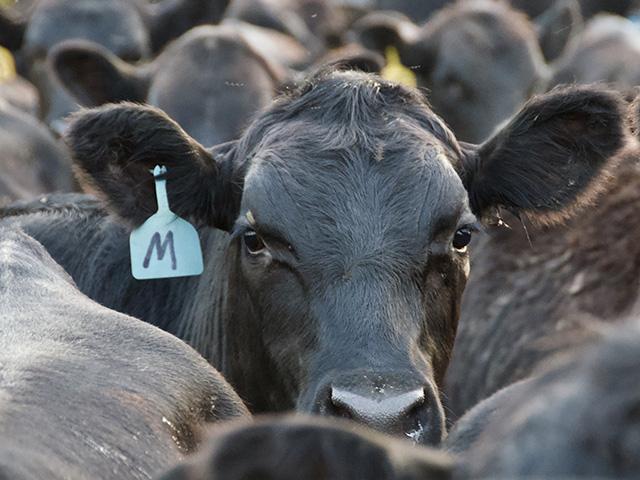
If you're still recovering from the slew of reports that were released last Friday and from the unexpected announcement made by U.S. Ag Secretary Brooke Rollins that the U.S. border is going to slowly reopen to Mexican cattle imports starting on Aug. 24 at the Douglas, Arizona, port of entry, you are not alone. Many of us feel inundated and overwhelmed by the recent developments in the cattle complex.
But what matters now is what we do with the data, what we do with the developments and how we position ourselves and our businesses moving forward. So, step-by-step, let's discuss the reports released and announcement made, one by one.
1) What did the monthly Cattle on Feed and semiannual Cattle Inventory report showcase? Whether it be good or bad, both the Cattle on Feed report and the semiannual Cattle Inventory report have been overshadowed by the announcement that the border is going to reopen to Mexican cattle imports. Thankfully, Friday's Cattle on Feed report wasn't much of a report as the pre-report estimates were spot on, expecting on-feed totals were up 2% compared to a year ago, placements were down 3% compared to a year ago, and marketings were down 3% as well. Which is nothing new for the market as that's been the Cattle on Feed report's normal theme as of late: Cattle are spending more time on feed (which is affecting the total number of cattle on feed) and marketings are lighter as cattle are grown to larger weights before selling.
The bi-annual Cattle Inventory report was insight as it showcased one major point: The cow herd has not stabilized yet, but producers would like to begin to rebuild with replacements. The total number of beef cows totaled 28.5 million head -- which is down 1% compared to a year ago -- but the total number of beef replacement heifers totaled 3.80 million head -- which is up 3% compared to a year ago.
P[L1] D[0x0] M[300x250] OOP[F] ADUNIT[] T[]
More than anything, to me the Cattle Inventory report painted a crystal-clear picture of where the industry sits today. Some producers continue to sell old cows as they're short feed and sadly don't have any other option as hay prices are high. But conversely, there are other producers who are in a region of the U.S. where there's been some moisture and they're able to keep a few more heifers back as they know opportunity lies ahead for whoever has an ace in the hand. And having extra replacement heifers to either keep and calve out or trade for a pretty penny is a nice option to have.
2) The U.S. border reopening to Mexican cattle is a much more complex issue to work through. But before we jump into some of the intricate details, I do want to take the opportunity to respectfully acknowledge that the Secretary did the market a favor by not releasing her announcement until well after the day's closing bell. If she would have shared her announcement earlier in the day, chaos would have spread and it would have been likely that the contracts would have closed limit lower. Praise God that wasn't the case.
But, as I mentioned above, the U.S. reopening its border to Mexican cattle is a challenging topic to discuss whether based on emotion and personal preference or upon sheer fact.
Depending where you live and what your operation is, it's likely cattlemen will have starkly different views on the matter. If you're a cattle feeder in the Southern part of the U.S., this news will likely come as a breath of fresh air, as it could allow for the cheaper acquisition of placements. But if you're a cattle producer in the Midwest or Northern Plains, this news could be burdensome if it pushes the futures market lower and if it has a negative effect on feeder cattle prices.
That's just one emotional aspect of the matter, the long-term ramifications of the border are far more challenging in my mind as the U.S. is soberly aware of the fact that Mexico has taken steps to process cattle on their side of the border to hopefully avoid the disruption of trade like we saw over the last year. But it's yet to be seen how effective those plants will be and what the long-term effect will be on the U.S. cattle and beef markets.
So while this may seem like the grand finale to the New World screwworm story, the book is far from its ending chapter. The cattle and beef markets have changed dramatically in the last two years -- with the reduction of domestic shackle space, the pressure seen in the feeding sector and, obviously, a U.S. beef cow herd that remains at a record low -- it's inevitable that more changes and potential challenges lie ahead of the cattle complex.
If there's one concluding thought that I may add to a whirlwind of developments in the cattle complex over the last couple of days, I think Dr. Jordan Peterson's comment, "You shouldn't go out trying to save the world if your own house isn't properly in order," fits well here. Is it somewhat aggravating to hear the border is going to be reopening in a matter of a month when frankly it doesn't seem like anything has changed in regard to the spread or safety of New World screwworm? But the truth is we knew sooner or later the border would reopen, and at last, here it is. I'm hopeful the reopening will be slow and methodical and not put a surge of calves in the market. But as Dr. Jordan Peterson suggested, maybe we should spend some time sharpening our own pencils, putting our own operations in order as opposed to spending time worrying about things that frankly we can't control. We can't control what the Ag Secretary does -- but we can re-run our operation's business plan and see if its sound and logical. We can rethink our marketing strategy for selling our cull cows/bulls. We can reach out to our tax accountant and schedule a time to chat before the end of the year to hopefully avoid overpaying taxes. We can get our houses, our operations and our businesses in order to weather the storms that come.
ShayLe Stewart can be reached at ShayLe.Stewart@dtn.com
(c) Copyright 2026 DTN, LLC. All rights reserved.
Comments
To comment, please Log In or Join our Community .