



An Urban's Rural View
Beef and Whole Milk Are Up in New Guidelines, Seed Oils Not So Much
In a classic case of life imitating art, the government's new Dietary Guidelines echo a memorable scene from Woody Allen's 1973 movie Sleeper.
It's the year 2173 and Doctor A and Doctor B are discussing a man they're rehabilitating after he spent 200 years cryogenically frozen:
A: This morning for breakfast he requested something called wheat germ, organic honey and tiger's milk.
B: Oh, yes. Those are the charmed substances that some years ago were thought to contain life-preserving properties.
A: You mean there was no deep fat? No steak or cream pies or ... hot fudge?
B: Those were thought to be unhealthy ... precisely the opposite of what we now know to be true.
A: Incredible.
The just-released 2025-2030 Dietary Guidelines for Americans are almost as radical in their revisions of what's deemed healthy and unhealthy -- and this switch didn't take 200 years.
P[L1] D[0x0] M[300x250] OOP[F] ADUNIT[] T[]
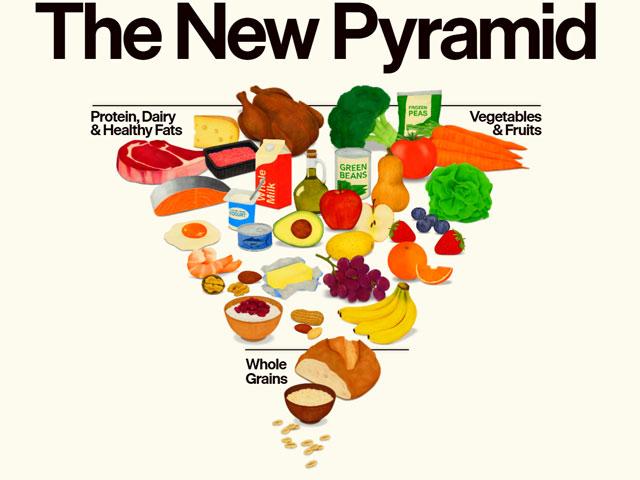
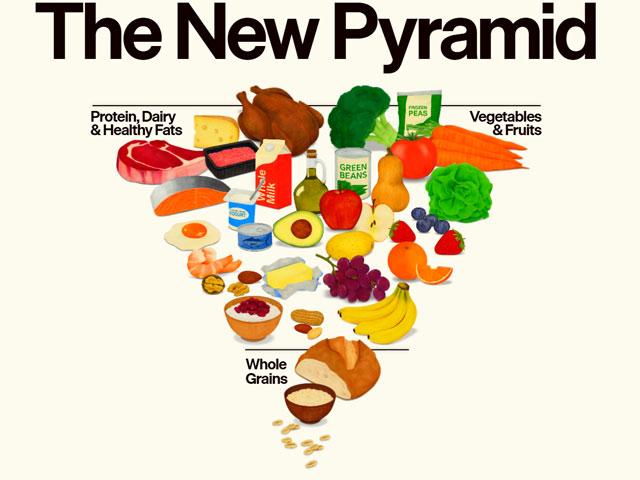
From their first release in 1980, the guidelines had warned against too much saturated fat and cholesterol. The new guidelines place red meat and whole milk at the top of the food pyramid and prefer cooking with butter and beef tallow to seed oils. (https://cdn.realfood.gov/…)
"We are ending the war on saturated fats," Secretary of Health and Human Services Robert F. Kennedy Jr said in unveiling the new guidelines.
The guidelines urge Americans to avoid "highly processed" foods. "The message is simple," declares the document's second sentence. "Eat real food."
The first sentence says, "These Guidelines mark the most significant reset of federal nutrition policy in our nation's history." Actually, in many ways the 2025-2030 version reads like earlier versions.
It advocates eating lots of fruits, vegetables and whole grains and few foods with added sugars. It urges limiting alcohol, though unlike previous versions it doesn't say how much is too much.
The reset lies in the emphasis on protein and "healthy fats" and the lack of criticism of saturated fats. That it's a big reset is evident in the intense criticism it's attracted. The critics say it's dangerously unsupported by science.
Kennedy has long doubted the conventional scientific wisdom that links saturated fats and heart disease. He says it's based on flawed studies. His critics say he cherry-picks one-off studies to promote red meat and butter.
Kennedy thinks the villains in America's heart disease and obesity epidemic are seed oils, like soy, canola and corn oil. He calls them poisonous.
Perhaps out of consideration for corn and soybean farmers, seed oils aren't mentioned in the guidelines; the document is, after all, co-signed by Secretary of Agriculture Brooke Rollins. Instead the guidelines urge Americans to "prioritize oils with essential fatty acids, such as olive oil. Other options can include butter or beef tallow."
Still, the MAHA criticism that seed oils are suspect because they're exposed to chemicals in processing deserves examination on several grounds.
-- A long list of ingredients is a hallmark of ultra-processed foods. The bottle of canola oil on my pantry shelf lists just one -- canola oil. Sure, seed oils are more processed than, say, olive oil, which is merely pressed. At the factory, seed oils are heated to avoid oxidation and bleached and steam-distilled to make them clear and odorless. But they don't come to the consumer containing preservatives or other chemicals.
-- It's noteworthy that the guidelines use the term "highly processed" rather than the more usual term "ultra-processed." The mainstream definition of ultra-processed classifies foods in four ascending groups -- unprocessed or minimally processed; processed culinary ingredients; processed; and ultra-processed. Seed oils fall into the lower culinary-processed category.
-- The predominant scientific view is the one expressed by Massachusetts General Hospital: "Seed oils can be a beneficial part of a healthy diet when used in cooking, such as in stir frying vegetables, oven roasting fish, or crafting homemade salad dressings." (https://www.massgeneral.org/…)
If there's a problem with them, the hospital says, it's when they're used in deep-fried foods, fast foods and packaged snacks. It's not the oil that's the problem, in other words; it's the context.
Now, the Dietary Guidelines aren't law. They're advice. True, for some they're a bit more; they shape what gets fed to soldiers, sailors and students receiving government-subsidized lunches. Primarily, though, they're advice. Not everyone follows the advice, few follow it all the time.
Because they come with the government's imprimatur, however, they're important advice and, for red-meat fans, welcome advice. If those fans actually read the guidelines, however, they'll see this: "In general, saturated fat consumption should not exceed 10% of total daily calories."
The war on saturated fats may be over, but the new diet isn't all steak, cream pies and hot fudge.
Urban Lehner can be reached at urbanize@gmail.com
(c) Copyright 2026 DTN, LLC. All rights reserved.
Comments
To comment, please Log In or Join our Community .