


Market Matters Blog
US and Israel-Iran Conflict Cripples Shipping Industry Through Strait of Hormuz
On Feb. 28, the United States and Israel started a war with Iran, targeting key military sites and killing Supreme Leader Ayatollah Ali Khamenei. Iran retaliated with missile and drone attacks on Israel and U.S. bases in several Gulf states.
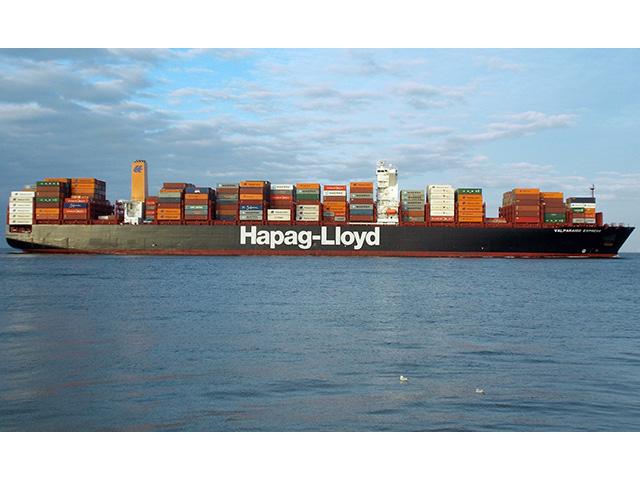
The war has caused some oil tankers and container ships sailing through the Strait of Hormuz to turn around, while many others have anchored in the Persian Gulf and/or the Gulf of Oman. While war insurance rose to massive heights during the weekend, many insurers are canceling certain war risks.
Mike Schuler, managing editor of gCaptain, said in his most recent article that, "Over the weekend, multiple members of the International Group of P&I Clubs -- which collectively insure approximately 90% of the world's ocean-going tonnage -- issued formal 72-hour notices of cancellation for certain war risk covers tied to Iran and adjacent Gulf waters. In a statement, the Group said it is 'monitoring closely the developments over the weekend and the military operations currently taking place in the Persian Gulf,' adding that stakeholders would be notified immediately of any changes to mutual cover. Among the clubs issuing notices were Gard, Skuld, NorthStandard, The London P&I Club, The American Club, and Steamship Mutual. Each cited materially heightened geopolitical and operational uncertainty, tightening reinsurance appetite, and escalating kinetic risk. Cancellation notices issued March 1 will take effect at 00:00 GMT on March 5, 2026, after the required 72-hour notice period."
P[L1] D[0x0] M[300x250] OOP[F] ADUNIT[] T[]
Schuler added, "Upon expiry of the notices, war risk coverage under affected policies will be automatically terminated for liabilities arising in Iran and Iranian waters, including 12 nautical miles offshore, as well as the Persian/Arabian Gulf and adjacent waters, including the Gulf of Oman and all waters west of a defined boundary line running from Oman's Cape al-Hadd to the Iran-Pakistan border. The exclusions apply broadly across fixed premium P&I, charterers' liability, ancillary and non-poolable extensions, certain crew and specialist covers, and offshore and yacht war risk extensions. Importantly, clubs emphasized that mutual P&I cover and Excess War Risks cover under IG pooling arrangements remain unaffected. Several clubs, including Steamship Mutual and Skuld, are exploring buy-back facilities on an individual risk basis -- though pricing is expected to reflect sharply elevated risk." Here is a link to the gCaptain article by Schuler. If you scroll below the article, there are additional related articles packed with information about the shipping conflict: https://gcaptain.com/….
Karim Bastati, DTN refined fuels analyst, said, "The Strait of Hormuz, the narrow connection between the Persian Gulf and the Gulf of Oman, is the largest chokepoint for global oil flows. Some 15 million bpd of crude oil and condensate, and more than 5 million bpd of petroleum products transit through the Strait, representing about 20% of global supply. Live marine traffic tracking showed hundreds of tankers have already dropped anchor on both sides of the passageway. Many shippers have suspended operations after multiple tankers were struck by the Iranian military.
"Production and refining were also affected by a series of counterattacks. Saudi Aramco shut operations at the country's largest refinery following an Iranian drone. The Ras Tanura refinery with a capacity of 550,000 bpd is a major producer of middle distillates and a key supplier of diesel for Europe. European gasoil futures jumped 20% following the closure. Most of the region's oil exports are loaded in the Persian Gulf. A prolonged closure of the Strait of Hormuz could quickly fill the limited storage space and force some production shut."
Sal Mercogliano, maritime historian and host of "What's Going on With Shipping" on YouTube, told DTN that, "The conflict between the United States and Israel against Iran has halted traffic through the Strait of Hormuz due to danger to the ships and crews and the cancellation of war risk insurance by all the major providers to shipping. The Persian Gulf is responsible for 20% of all the world's oil and natural gas, and any disruption will cause fluctuations in their prices on a global scale. Additionally, the stranding of nearly 750 ships in the Persian Gulf will also affect other sectors, such as containers, as the loss of the ships and cancellations of voyages into the region with further disrupt this sector. Until conflict ends, or the United States and its allies can assure the safety of the ships transiting the Strait of Hormuz, or the shipping companies obtain the requisite insurance coverage, shipping will be holding outside of Hormuz awaiting further developments."
This is a fluid situation as the war does not appear to be ending anytime soon. President Donald Trump has told various news organizations that he expects the conflict in Iran could go on for another "four to five weeks, but we have capability to go far longer than that."
See, "US-Iran Escalation Could Drive Up Input Costs as Spring Planting Season Hits," https://www.dtnpf.com/…
Mary Kennedy can be reached at mary.kennedy@dtn.com
Follow her on social platform X @MaryCKenn
(c) Copyright 2026 DTN, LLC. All rights reserved.
Comments
To comment, please Log In or Join our Community .