


Market Matters Blog
Harvest Costs Climb with Added Fuel Surcharges, Squeezing Farmers Margins
Diesel prices above $6 per gallon are adding to the economic pressures farmers already face, with fuel surcharges driving costs even higher.
"Given the significant amount of diesel utilized on the farm and for farm to market deliveries, the "fuel" line item in a farmer's budget will continue to look increasingly ugly and alarming," Mike Steenhoek, Executive Director Soy Transportation Coalition, told DTN in an email.
"While it is less understood and appreciated, another way high fuel costs insert themselves into agriculture and the broader economy is in the form of fuel surcharges instituted by various transportation providers, whether taxis, Uber, railroads, airlines, and ocean vessels," said Steenhoek.
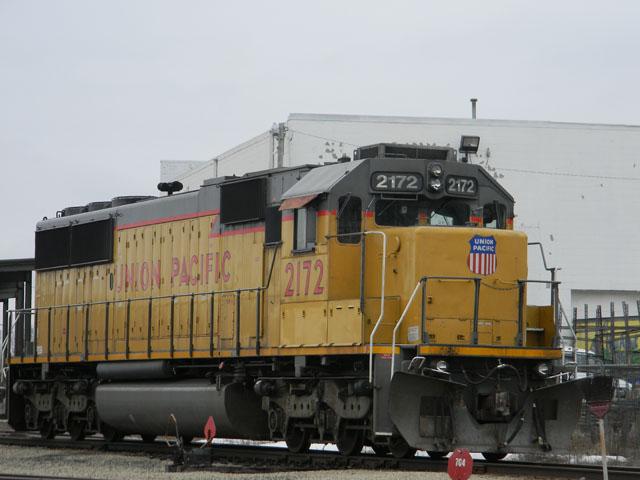
In July of 2025, Union Pacific (UP) fuel surcharge was quoted at 28 cents per mile versus July 2026 at 71 cents per mile. That is in addition to railroad tariff increases and secondary shuttle freight costs, etc., for shippers who eventually pass it on to farmers. Here is a link to the UP carload mileage-based standard Highway Diesel Fuel (HDF) fuel surcharge program: https://www.up.com/…
P[L1] D[0x0] M[300x250] OOP[F] ADUNIT[] T[]
As for grain haulers and other truckers, FreightWaves notes on their website, "The shipper usually pays the fuel surcharge as a separate line item on the freight invoice. In some contracts, the consignee may be responsible based on terms of sale and billing arrangements." Here is more on how it works: https://www.freightwaves.com/…
"One of the realities in the agricultural supply chain is that when transportation costs go up for a variety of reasons (fuel, service disruptions, etc.), those costs are disproportionately passed onto the farmers in the form of a lower price (i.e., a more negative basis) at the point of sale," said Steenhoek.
"In any industry, when transportation costs go up, there are three options: 1.) Pass those costs onto the customer in the form of higher prices; 2.) The shipper absorbing those costs; or 3.) Passing those costs onto the supplier in the form of a lower price offered. For the soybean industry and much of agriculture, those costs are largely passed onto the farmer in the form of a lower price offered per bushel," according to Steenhoek.
Many transportation businesses that charge fuel surcharges will likely continue raising them while the U.S. and Iran conflict keeps fuel prices, especially diesel, elevated. Some surcharges adjust weekly and might be percentage-based, like UPS and FedEx, for example. Others, such as those used by railroads, are adjusted monthly and are mileage-based.
"Fuel surcharges are one more example of a leak in the profitability bucket farmers are currently experiencing and another reason why farmers are among those most anxious to see future relief at the pump," said Steenhoek.
Weekly U.S. On-Highway Diesel Fuel Prices: https://www.eia.gov/…
Read more here on diesel price impact on farmers: https://www.dtnpf.com/…
Mary Kennedy can be reached at mary.kennedy@dtn.com
Follow her on social platform X @MaryCKenn
(c) Copyright 2026 DTN, LLC. All rights reserved.
Comments
To comment, please Log In or Join our Community .