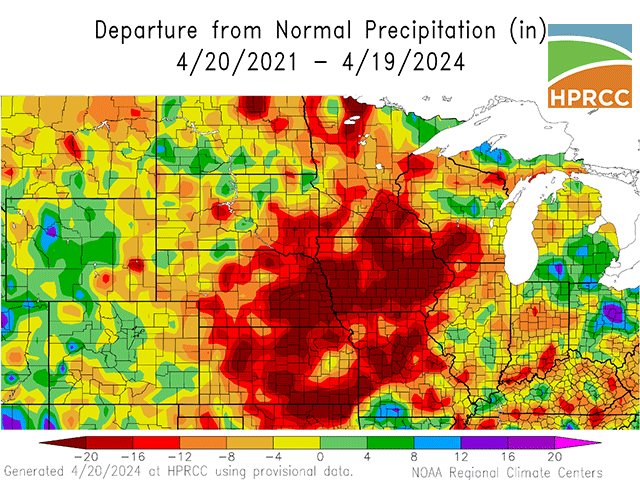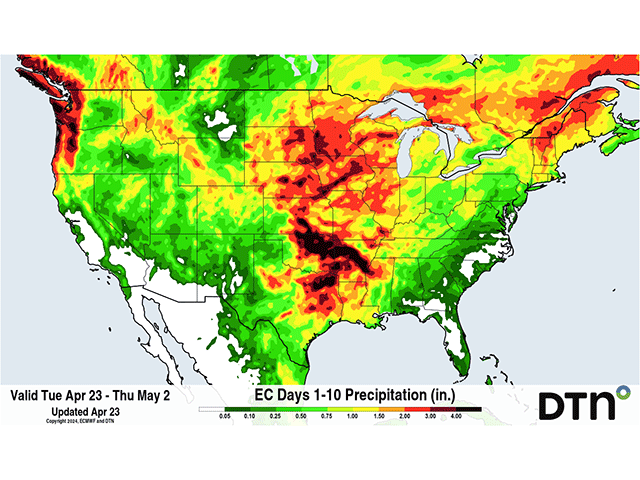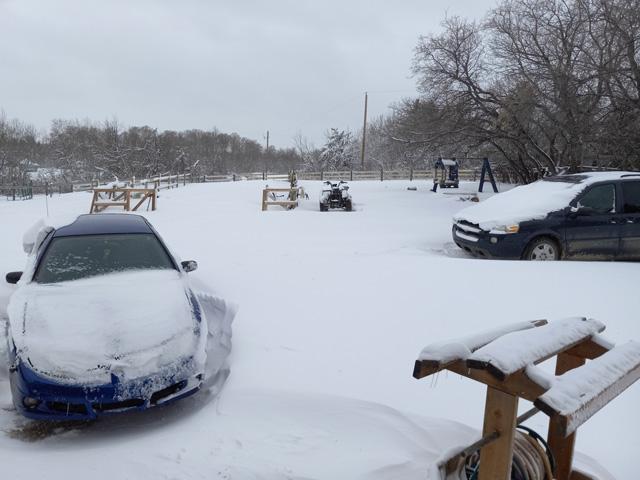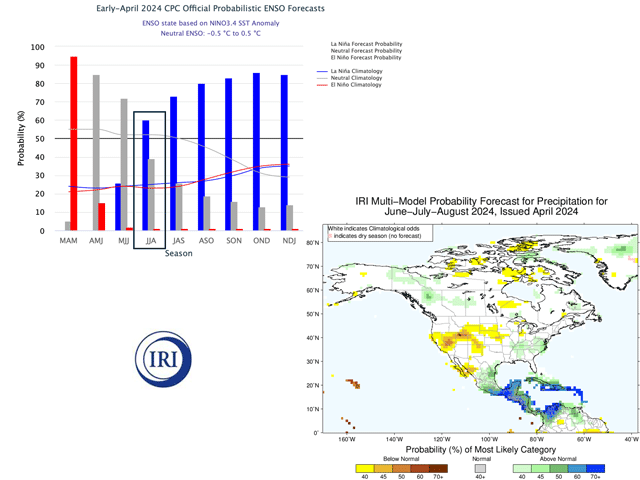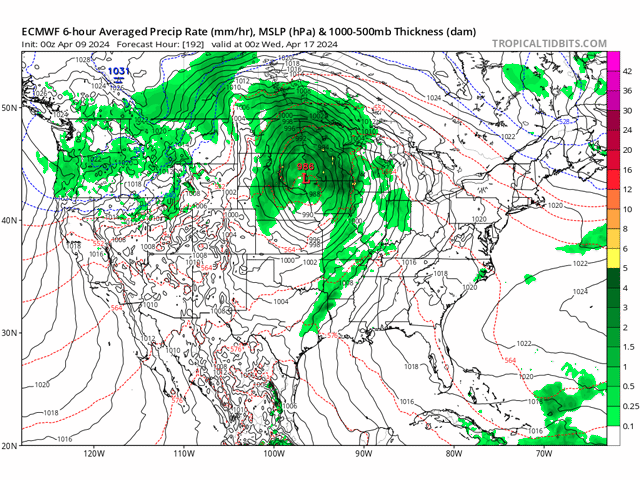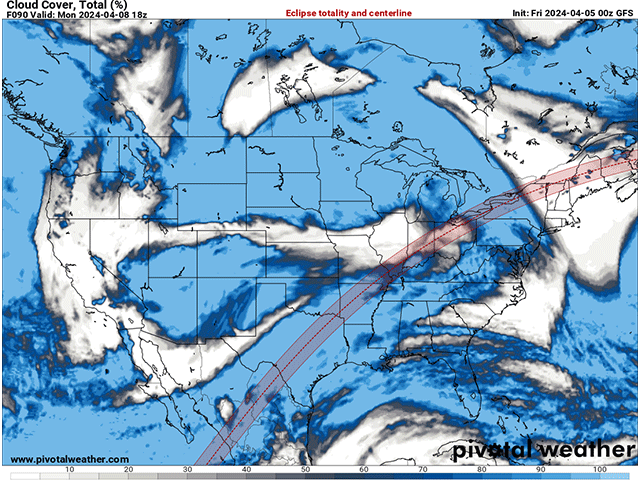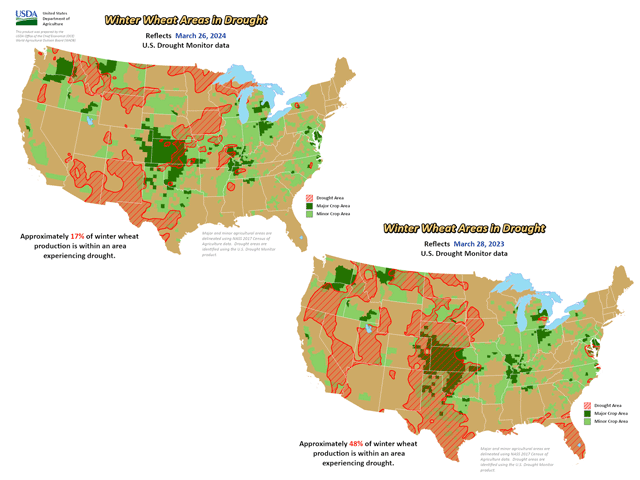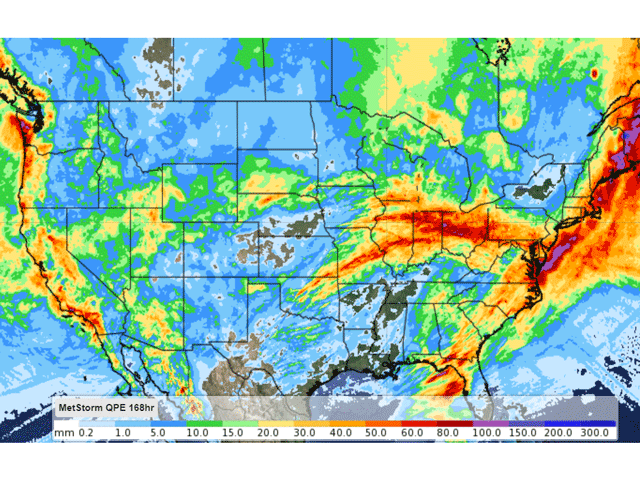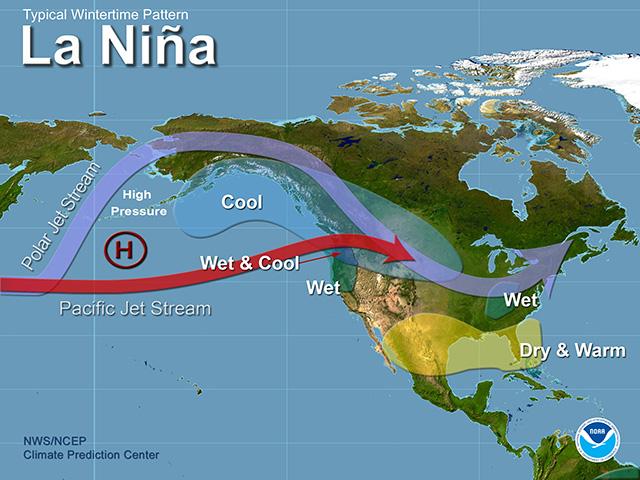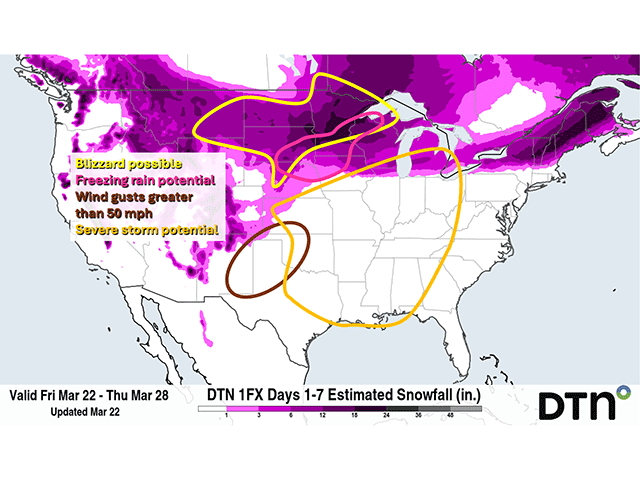


An active pattern that has left many areas in the Upper Midwest dry thus far should start spreading more precipitation to western areas this week and especially this weekend.
Analog weather years suggest lower corn yields versus projections because of a building La Nina in the Pacific Ocean.
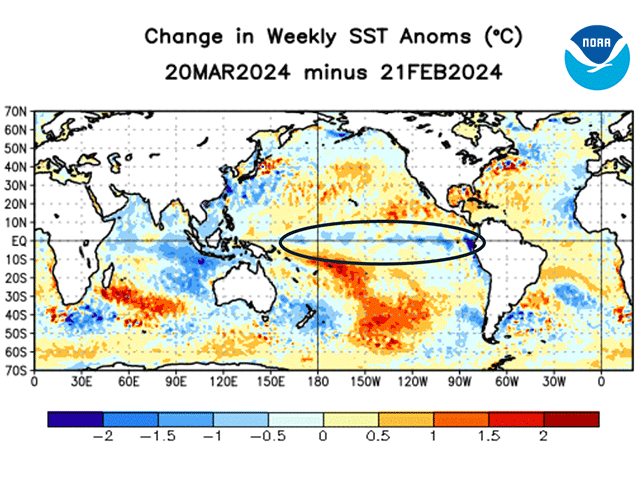
2023 brought a big change to the main climate driver as we saw La Nina conditions in the Pacific Ocean abruptly change to a very strong El Nino. 2024 will bring a similar but opposite transition as El Nino quickly fades and La Nina is expected this summer. A hot summer is in the...
A storm system will move through the country over the next several days with widespread precipitation including some severe weather and heavy snow.
Climate change, fire control efforts and even El Nino played big roles in the February 2024 Texas megafire.
Very warm temperatures so far this winter and early spring might tempt some producers to plant their 2024 crops early. However, a burst of colder air coming in later this month could get some additional support in early April and would be damaging if it is cold enough.
Root zone-level moisture showed a drop-off during the very warm final two weeks of February.
Recent heat, strong winds and overall dry conditions have sapped topsoil moisture for winter wheat in the Central and Southern Plains. However, two storm systems are poised to bring good moisture back into the region.
Temperatures this winter season were at or near record highs across the northern tier of the country despite a visit from the polar vortex in mid-January.
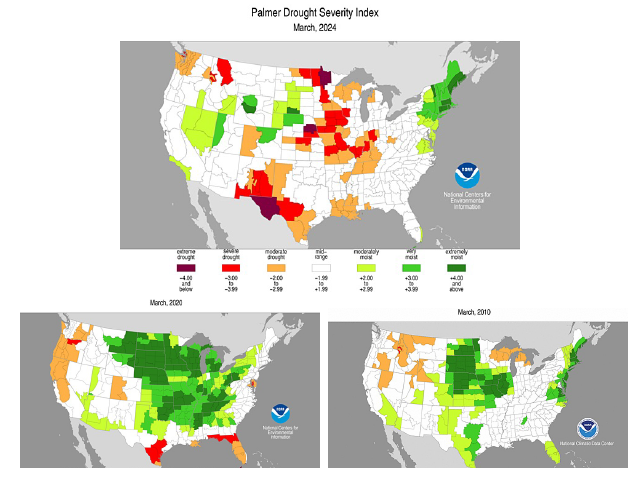
Soil moisture profiles in many prime U.S. crop areas still lack full recovery ahead of the start of spring fieldwork.
The upper-level pattern has turned very active as we cross the threshold of winter into spring. The next two weeks should see wild swings in temperatures, strong winds, areas of accumulating snow and severe weather.
Despite a pair of systems moving through over the next week, temperatures through the end of February -- the end of meteorological winter -- continue to be very warm.
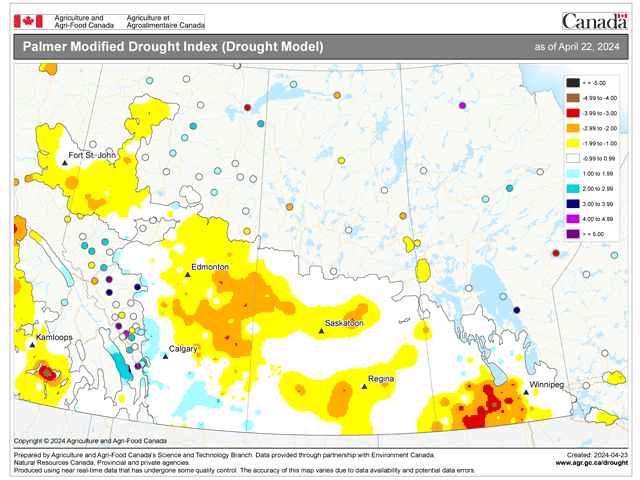
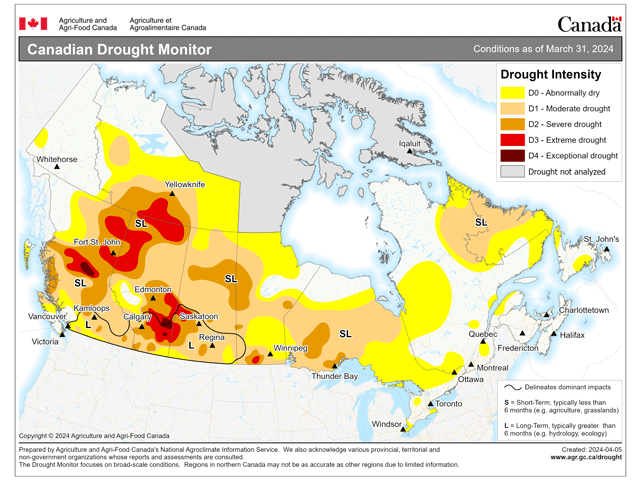
While drought conditions are anchored across the Canadian Prairies this winter, the influences of El Nino may weaken this spring and allow some relief before planting gets started.
A pair of clippers are moving through this week, which is usually indicative of colder air dropping down from Canada. Models are not insisting on that. Why not?
High evaporation rates add to the lack of new storm systems due to El Nino wind patterns.
Atmosphere dynamics for California's devastating floods are very similar to those which brought incredible flooding to the Midwest in 2019.
An upper-level trough in the West has already soaked California and is spreading precipitation throughout the region. That trough will send several impulses of energy through the rest of the country this week and weekend, which could be significant in some areas, particularly...
No quick change from El Nino to La Nina is expected by Australian weather and climate forecasters.
Due to widespread heavy precipitation over the last week, long-term heavy rainfall and improvements in multiple other categories that go into drought classification, the Feb. 1 update from the USDM showed sweeping improvements across much of the U.S.
A strong ridge continues to be planted across the middle of North America, blocking up the weather pattern and bringing a lot of warm air to the U.S. and Canada. However, a big trough in the Pacific will try its hardest to push the ridge out. In doing so, it will send a lot of...
DIM[2x3] LBL[blogs-ag-weather-forum-list] SEL[[data-native-ad-target=articleList]] IDX[2] TMPL[news] T[]
DIM[2x3] LBL[blogs-ag-weather-forum-list-2] SEL[[data-native-ad-target=articleList]] IDX[5] TMPL[news] T[]