


An Urban's Rural View
6 Trends That Could Change Agriculture's Future
Like the famous frog in the slowly warming pot, businesses can be undone by societal changes that sneak up on them. They either don't notice them in time or can't adjust to them even if they do.
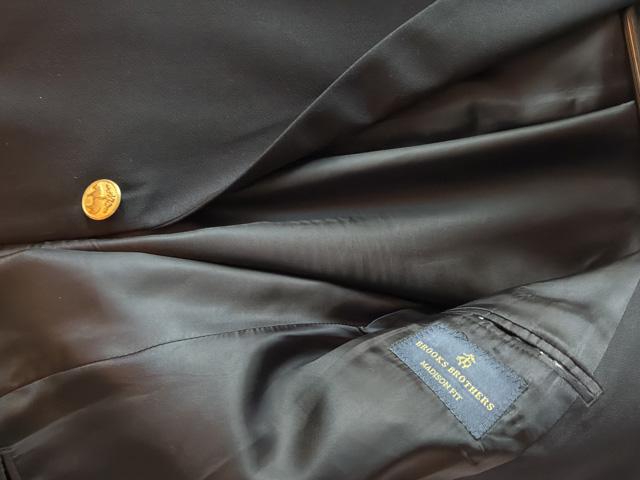
Brooks Brothers is a classic example. For much of its 200-year history, the clothier was synonymous with quality men's suits. In its last couple of decades, though, a societal change snuck up on it: Casual business wear was becoming fashionable, suits were going out of style.
Finally, during COVID-19, when so many people were working from home, suits for all practical purposes went extinct. Brooks Brothers filed for bankruptcy and emerged from it a much-reduced company.
Reminded recently of what happened to Brooks Brothers, and noticing the many suits in my closet that I never wear anymore, I got to wondering about agriculture's potential to play the role of frog. What are the current slow-moving societal changes that 20 years from now could have farm businesses squirming?
Answers to that question abound. Because the trends are by definition slow-moving and hard to notice, we can't be sure which of the myriad things going on in society will have an impact. Still, it's a game worth playing.
Here, humbly presented, is a list of six candidates I came up with. The first three touch on the quantity of food Americans will demand; the last three touch on the kinds of food they will want.
P[L1] D[0x0] M[300x250] OOP[F] ADUNIT[] T[]
-- Population stasis. More people means more demand for food, not to mention shelter, clothing and other consumer products. American businesses are used to taking population growth for granted. Despite a birth rate that's fallen to below replacement level and a baby boom generation that's beginning to die off, immigration compensated. Now, under a tough-on-immigration administration, that's changing.
From mid-2024 to mid-2025, America's population growth rate fell to 0.5% from 1% the previous 12 months. The Census Bureau projects a further big decline from mid-2025 to mid-2026. If these trends continue, the population of the United States could soon be shrinking. Fewer people will need less food. (https://www.census.gov/…)
-- SNAP out of it. The Supplemental Nutrition Assistance Program (SNAP), also known as food stamps, helps tens of millions of Americans afford food. Since President Donald Trump signed the One Big Beautiful Bill last July, the number of SNAP recipients has declined by more than 4 million. It's a safe bet that many of those no longer receiving benefits are buying less food.
-- Jab and lose weight. One of every ten Americans is taking one of those newfangled injectable weight-loss drugs. And they're working, studies show. The drugs are helping Americans lose weight. They do this by suppressing appetite, which means a good chunk of the population is consuming less food.
At the moment, these drugs are expensive and only covered by insurance if prescribed for diabetes or heart-disease prevention. Watch for them to become cheaper and for more insurance companies to cover weight-loss prescriptions. If that happens, Americans could consume even less food.
-- MAHA. Americans increasingly choose what they eat with health in mind. With the Make America Healthy Again (MAHA) movement in the forefront of this trend, "ultraprocessed" foods, however defined, are on many grocery shoppers' never-buy list.
There's also the change in attitude toward saturated fats and cholesterol. Foods once considered unhealthy are in, and vice versa. The government's new MAHA-influenced dietary guidelines are pro-red meat and whole milk. On the other hand, they don't even mention seed oils, which the medical establishment likes.
The problem for anyone trying to track this trend, then, is figuring out what will be deemed healthy and unhealthy tomorrow. When Americans trust "influencers" more than scientists, as many do today, the what's-in, what's-out list can change before the frog even notices something's happening.
-- K-shaped economy. Some Americans buy high-end groceries; others can only afford cheap eats. That's always been true; today it's more true than ever. You can see this in the changes in supermarket brands. Many big grocers still have cheaper house brands, but they're now also offering premium house brands that are more expensive. Whether the K-shaped economy trend will play out in a way that affects farmers is an open question, but it has that potential.
-- Artificial Intelligence. AI's impact on food and farming is still in its infancy, but it's already changing how food is grown, sold and eaten. To cite just one example, there are AI apps that allow users to take photos of what's on their plates and learn the portion size and the calorie count.
There are also AI apps that help cut food waste by surveying the contents of users' refrigerators and suggesting recipes to use up ingredients that are about to expire.
Food companies are using AI to develop new products more quickly. Farmers are using AI-powered robots in their fields.
That's my list. Blast away. If you see other trends that could boil the frog, I'd love to hear about them. Given enough responses, I may do a future column sharing your candidates. You can find my email address below.
Urban Lehner can be reached at urbanize@gmail.com
(c) Copyright 2026 DTN, LLC. All rights reserved.
Comments
To comment, please Log In or Join our Community .