


An Urban's Rural View
MAHA Wages War on Seed Oils
Thanks to Robert F. Kennedy Jr. and his Make America Healthy Again tribe, seed oils have been getting a lot of unwanted attention. The MAHA types despise them.
Despise is not too strong a word. Cate Shanahan, a central MAHA figure known as "the mother of the seed oil movement," calls them the Hateful Eight oils. (https://drcate.com/…) That formulation expresses MAHA's sentiments while avoiding the sticky fact that two of the eight -- corn and rice bran -- aren't actually seed oils, as they aren't extracted from seeds. The others are canola, cottonseed, grape seed, safflower, soybean and sunflower.
Whatever they're called, the MAHA campaign against them is affecting consumer behavior. In an International Food Information Council survey, 28% of Americans said they avoid seed oils. (https://ific.org/…)
If you grow one or more of these eight crops, should you be concerned?
MAHA types believe that the refining of these eight oils leaves those who consume them with dangerous inflammatory toxins in their systems. MAHA has problems with several refining practices -- the high heat, the bleaching and the use of chemical solvents like hexane.
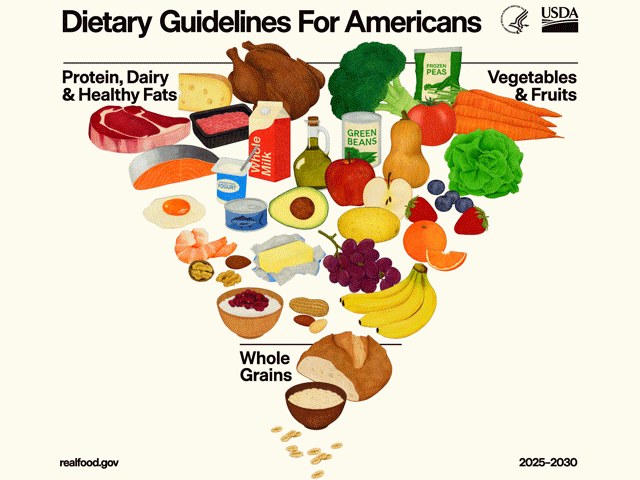
Having rejected seed oils, the MAHA crowd embraces something the medical establishment considers dangerous: saturated fats. In releasing the government's latest dietary guidelines, which promote cooking with butter and beef tallow, Health and Human Services Secretary Robert F. Kennedy Jr. declared he was "ending the war on saturated fats." (https://www.dtnpf.com/…)
P[L1] D[0x0] M[300x250] OOP[F] ADUNIT[] T[]
Medical establishment organizations like the American Heart Association says seed oils are safe and beneficial. The inflammation argument is flawed, AHA says, adding that these oils are far better for heart health than butter and beef tallow. The headline on a 2024 AHA press release read, "There's no reason to avoid seed oils and plenty of reasons to eat them." (https://www.heart.org/…)
In this era of widespread public distrust of the "establishment," the MAHA view is gaining the upper hand.
Farm groups are worried. In Senate testimony in February, former American Soybean Association president Josh Gackle decried "false claims" about soybean and other seed oils and threats to ban them. "Soybean oil consumption for edible uses is a stable market that has provided continued certainty for our farmers," he said, "and removing that market would cause an immediate and significant decline in soybean oil prices." (https://www.agriculture.senate.gov/…)
MAHA enthusiasts, including RFK Jr., would probably ban seed oils if they could. So far, at least, they lack the political clout. The dietary guidelines would almost certainly have attacked seed oils if Kennedy had had his way. Instead, the guidelines pointedly do not even mention seed oils.
A 2025 seed oil study funded by the United Soybean Board concluded that a seed oil ban would raise food prices and lower farm incomes. (https://soygrowers.com/…) The big winner of a ban, the study said, would be imported palm oil.
If a ban would lower farm incomes, what effect has the 28% of the public avoiding seed oils had? Presumably there's been some impact; if 100% of the public were using seed oils, demand would be higher, a plus for crop prices.
Still, there are reasons to think that for some crops, at least, the impact of consumer seed oil avoidance has been relatively small. Only a small percentage of U.S.-grown corn goes to food oil. For soybeans, a big chunk of the oil produced has been diverted for use as biofuels. Restaurants continue to use seed oils because they're economical.
Moreover, we don't have any context for the 28% figure. What was the percentage five years ago? Ten? Was there ever a time when the number was zero? The avoidance may be built into crop price levels. Unless it's increasing rapidly, it may not be driving prices down much.
Mainstream science and MAHA agree on one thing: Olive oil is good. It's made by simply pressing olives rather than using heat and chemicals, which clears it with MAHA. Both the MAHA-influenced new government guidelines and establishment organizations like the American Heart Association recommend it.
But extra virgin olive oil isn't likely to be the only cooking oil on pantry shelves. The taste of it doesn't work with some foods. It has a low smoke point, so some cooks prefer seed oils for cooking at very high temperatures. And it's more expensive.
Still, seed oils are fighting an uphill battle in the court of public opinion. The product description on the package of LesserEvil popcorn boasts of not using "sneaky vegetable oils." LesserEvil uses coconut oil, which is particularly high in saturated fats. The LesserEvil brand is showing up on more and more store shelves.
Growers have to wonder: Could 28% today be 50% tomorrow?
Urban Lehner can be reached at urbanize@gmail.com
(c) Copyright 2026 DTN, LLC. All rights reserved.

