



Scoular Settles Bribery Case for $10M
US Grain Company's Border Bribes Funded Mexican Drug Cartels, DOJ Says
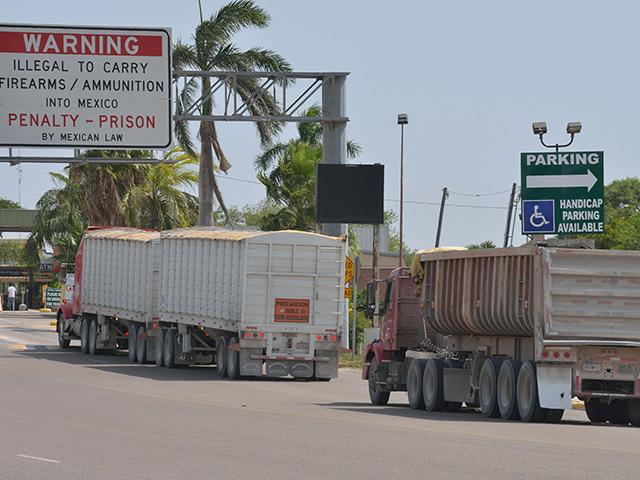
LINCOLN, Neb. (DTN) -- Omaha-based Scoular Company settled with the U.S. Department of Justice on allegations of bribery of Mexican officials to deliver trainloads of commodities across the southern border from 2013 to 2019, according to the DOJ and court documents. Investigators also found a portion of those payments, unbeknownst to the company, ultimately ended up in the hands of a drug cartel operating along the U.S.-Mexico border.
Scoular entered into a three-year deferred prosecution agreement in connection with a criminal information filed in the U.S. District Court for the Western District of Texas on July 17, 2026, charging Scoular with one count of conspiracy to violate the anti-bribery provisions of the Foreign Corrupt Practices Act.
As part of the agreement, Scoular will pay $9.8 million in criminal penalties and more than $400,000 in forfeiture.
According to court documents, Scoular relied on multiple customs brokers to ensure shipments of corn and other products successfully crossed into Mexico.
The shipments were subject to inspection for dirt, soil and other impurities, under Mexican law.
"To ensure that Scoular's shipments successfully transited the border despite inspections that found such dirt, soil and other impurities, Scoular authorized multiple third-party customs brokers to bribe Mexican officials at the border," the DOJ said in a news release.
"At the direction of Scoular employees, and for Scoular's benefit, those brokers paid bribes of approximately $2,000 per Scoular train and invoiced the bribes back to Scoular for reimbursement of reinspection fees, which Scoular paid. Scoular employees communicated about shipments and bribes via WhatsApp and other means. In total, Scoular authorized bribes of more than $400,000 and avoided fees and costs of more than $6.5 million."
P[L1] D[0x0] M[300x250] OOP[F] ADUNIT[] T[]
Scoular Chief Legal Officer Tim Manning told DTN that Scoular is "a different company today" and has since built a compliance program to prevent future problems.
"Scoular has zero tolerance for conduct that violates its compliance policies, procedures and professional standards," Manning said in a statement.
The resolution with the DOJ is a three-year deferred prosecution where the charges would be dismissed if the company meets its obligations.
Manning said a Scoular business unit had authorized payments to customs brokers, "knowing that those payments would be used, at least in part, to make improper payments to Mexican government officials."
Manning said the 130-year-old company has "no prior criminal history" or civil or regulatory enforcement history involving similar conduct.
"Scoular cooperated fully with the investigation and took immediate, comprehensive steps to remediate, including terminating the customs broker relationships involved, reorganizing its business teams, completing an external compliance program assessment, strengthening internal controls and monitoring, updating its compliance policies and expanding anti-corruption training," he said.
"These significant remediation efforts and full cooperation led to the resolution of this matter."
In a related case, a customs broker who paid bribes on behalf of Scoular, Carlos Leopoldo Alvelais, was sentenced to 18 months in prison after pleading guilty to conspiracy to violate the FCPA on Oct. 23, 2025.
Scoular CEO Paul Maass, who was at the helm of the company during the time of the alleged bribery, remains in the position. Effective June 1, 2026, the company promoted Phil Van Court to president as part of a plan to work directly with Maass.
The DOJ said in a news release that Scoular did not receive voluntary disclosure credit in the agreement, because the company "did not voluntarily and timely disclose" its conduct to the DOJ.
However, the DOJ said Scoular did cooperate with the investigation by conducting an internal investigation, providing information and evidence on the employees involved, as well as providing other documents and securing legal representation for current employees.
In addition, the DOJ said the company implemented "timely" measures to address compliance issues.
"Nothing crosses into or out of Mexico without the approval and payment to Mexican drug cartels," U.S. Attorney Justin R. Simmons said in a statement.
"American businesses that engage in any cross-border trade bear a significant amount of responsibility to do so without benefitting those cartels and without threatening our national security."
Todd Neeley can be reached at todd.neeley@dtn.com
Follow him on social platform X @DTNeeley
(c) Copyright 2026 DTN, LLC. All rights reserved.