


Livestock Producers Affected by NWS
'All Hands-On Deck': Texas Livestock Producers Brace for Billion-Dollar Screwworm Threat
As New World screwworm (NWS) cases continue to spread in Texas, awareness is critical for animal owners and those who are dealing with the pest are facing what could be extreme economic losses.
As of June 24, current NWS cases in the U.S. total 25 and it has been found in cattle, goats and sheep in Texas and one dog in New Mexico.
NWS dates back to 1842, according to USDA's Animal and Plant Health Inspection Service. The early losses in the 1940s were estimated at $5 million to $10 million annually nationwide. Losses increased to nearly $100 million per year by the 1960s.
A recent USDA study with adjustments for inflation in 2024 showed Texas producers could show a loss of $732.6 million and a total economic loss of $1.8 billion due to NWS.
The first case of NWS was found in Texas on June 3, 2026, but livestock producers have been experiencing economic losses for nearly a year due to the U.S.-Mexico border closure because of the pest spreading in Mexico.
PREPARATION AND AWARENESS BY PRODUCERS
Harper Hesse, president, owner and manager of Chaparral Feeders in Uvalde, Texas, said awareness since the first Texas cases were confirmed has increased dramatically across his feedyard operation, located in an NWS surveillance zone, which is adjacent to an infested zone.
"Everyone has increased awareness and it's all hands-on deck," Hesse said. "Early detection is crucial."
At his feedyard, employees are paying closer attention to wounds, navels, castration sites and any condition that could attract NWS flies. Pen riders spend additional time observing cattle for unusual behavior, wounds or signs of infection.
That vigilance extends beyond cattle crews. "It doesn't matter if it's a cowboy, a feed truck driver, someone who drives a cattle truck or individuals that generally work in the office," Hesse said. "Everyone has increased awareness."
PREVENTION STARTS BEFORE THE PROBLEM IS PRESENT
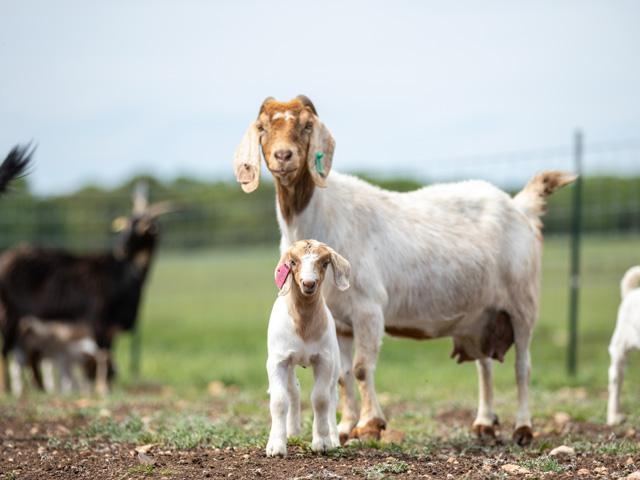
Producers in affected areas say the biggest lesson is not to wait until NWS becomes a local issue. A Texas goat producer in Gillespie County who had a case of NWS confirmed in a young goat kid in his herd has modified his routine management protocol to reduce risk and navigate movement permits and inspections.
P[L1] D[0x0] M[300x250] OOP[F] ADUNIT[] T[]
At peak kidding season, he's treating both the navel on newborn kids and the doe's birthing area to prevent NWS from laying eggs in those vulnerable locations. Any injection site receives preventative spray, and wounds from dehorning, castration or other procedures receive extra attention. The goal is simple: don't provide the NWS fly with an ideal host to lay eggs.
Texas Animal Health Commission officials emphasize these practices:
-- Inspect animals frequently.
-- Treat navels immediately after birth.
-- Monitor wounds closely.
-- Minimize procedures that create wounds when practical.
-- Treat injuries quickly before they become attractive to NWS flies.
-- Maintain a veterinary-client-patient relationship.
Producers in areas without confirmed NWS cases should consider reviewing their calving, lambing, kidding and processing protocols now.
According to Hesse, "Maintaining strong prevention efforts is far less costly than dealing with an established infestation."
THE HIDDEN COST OF NEW WORLD SCREWWORM
The economic impact is already being felt throughout the livestock industry, and some of those costs began before the first confirmed case of NWS in Texas.
"The Mexican border closure created uncertainty in cattle markets and reduced the expected supply of feeder cattle," Hesse said. "Any disruption in cattle movement affects pricing, procurement decisions and long-term planning throughout the industry."
Hesse's custom cattle feeding operation with a capacity of approximately 8,000 head, has historically relied on multiple cattle sources, including Mexican cattle. With that supply constrained, Hesse says opportunities have become more limited.
"We're having to fill that supply gap by preconditioning more cattle," he said. Beyond cattle supply, Hesse points to a growing list of operational costs associated with prevention and compliance. Employees are spending more time inspecting cattle, monitoring wounds and documenting health status. Additional labor, preventative treatments and increased surveillance all add expense. "Even when no infestation is found, the extra monitoring and compliance requirements increase operating costs."
The sheep and goat sector may face even greater challenges because of its reliance on interstate slaughter markets.
Shaun Geistweidt with Gillespie Livestock Company, a livestock auction market in Fredericksburg, Texas, said some buyers have become cautious about accepting animals, especially sheep and goats, from counties located in or adjacent to NWS infested zones. In some cases, states have imposed restrictions that go beyond Texas requirements.
"Florida will not take anything from Texas if it originates from a county in an infested-zone or a surrounding county," Geistweidt said.
U.S. Secretary of Agriculture Brooke Rollins said this is a top priority during a producer meeting in Texas last week. "We've talked about a couple of states that are being irrational and unreasonable. I will keep working on it, having some hard conversations," she said.
The loss of the Florida market has put immediate pressure on sheep and goat prices. "I would say the market dropped 30% to 35% this week," Geistweidt said, referring to feeder lamb values following the first confirmed NWS cases in Texas.
The challenge is particularly significant because approximately 85% of the sheep and goats moving through Geistweidt's auction market ultimately move into slaughter channels.
Two other major sheep and goat auction markets in Texas -- one in Uvalde and another in San Angelo -- are also near NWS infected zones.
Treatments used to meet movement requirements require withdrawal periods that delay or complicate sales. Livestock from an infested zone that are inspected and deemed free of NWS can be sold or moved directly to slaughter without treatment for the pest. However, the movement document is only valid for three days after the date of inspection and thus not practical for the traditional auction market pathway and transport to a slaughter facility.
Texas livestock industry leaders are committed to working with state and federal officials to maintain market access while protecting animal health. Regulators emphasize that NWS is not a food safety issue, and that livestock movement can continue under established protocols.
Still, the economic consequences of NWS extend beyond the cost of treating an animal.
**
Editor's Note:
For more DTN coverage of the New World screwworm threat and the response by the government and livestock industry, visit our Spotlight on New World Screwworm page at https://www.dtnpf.com/….
(c) Copyright 2026 DTN, LLC. All rights reserved.

