


Medgene Pursues First NWS Vaccine
Research Aims to Prevent New World Screwworm in Cattle With Vaccine
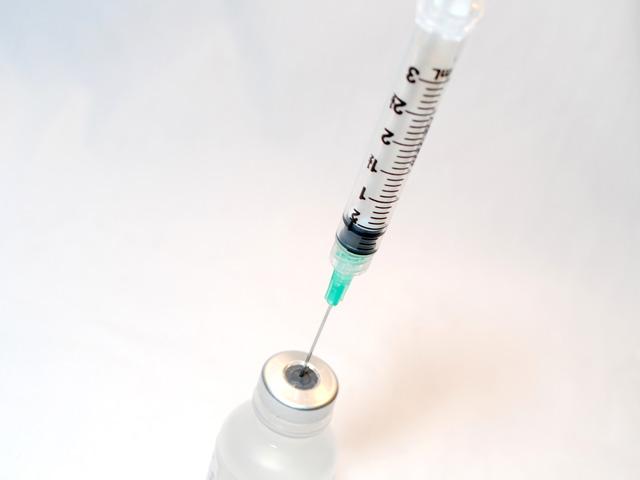
REDFIELD, Iowa (DTN) -- No vaccine currently exists to prevent New World screwworm (NWS) infestations in livestock, but South Dakota-based animal health company Medgene is developing one with support from a Foundation for Food & Agriculture Research (FFAR) grant.
Based in Brookings, South Dakota, Medgene and FFAR are investing nearly $500,000 through FFAR's Rapid Outcomes from Agricultural Research (ROAR) program to develop and test an NWS vaccine for cattle.
"New World screwworm infestations can rapidly cause severe tissue damage and can be fatal within 7 to 14 days if left untreated. The parasite threatens more than $100 billion in U.S. economic activity tied to the cattle and livestock industry alone," said Jasmine Bruno, FFAR scientific program director in a news release. "We urgently need multiple tools to protect cattle and other vulnerable livestock. A vaccine could provide a critical additional layer of protection while complementing existing control efforts."
NWS THREAT REMAINS LIMITED BUT MONITORED
According to the Animal and Plant Health Inspection Service (APHIS), USDA has received 987 samples of suspected NWS since June 3. As of Oct. 13, only 53 cases have been confirmed, with three still considered active cases.
P[L1] D[0x0] M[300x250] OOP[F] ADUNIT[] T[]
USDA also reported that only one wild NWS fly has been caught among 86,168 flies collected from more than 7,000 traps placed across the Southern U.S. as surveillance since July 2025.
Medgene researchers led by Casey Wright, the company's bacteriology development manager, are developing a vaccine that targets proteins NWS larvae need to feed and develop. The goal is to trigger antibodies in vaccinated cattle that interfere with the larvae's ability to feed on tissue and complete their life cycle, according to the company's news release.
Medgene specializes in animal health vaccines and diagnostic technologies. Company researchers say the same platform used for other livestock health products is being adapted to target NWS larvae.
"This project is another great opportunity for Medgene to partner with FFAR and demonstrate how our platform technology can be leveraged to rapidly support the U.S. livestock industry with emerging threats," Wright said.
If the vaccine is successful, it could give producers another tool to protect their cattle and limit the spread of NWS.
CURRENT CONTROL EFFORTS CONTINUE
FFAR's ROAR program funds research and outreach rapidly to fight against emerging or unanticipated threats to the U.S. livestock industry and food supply.
The main defense against the pest has been the release of sterile NWS flies near areas where cases were detected. Since April, USDA teams have released 41,927,920 sterile NWS flies through ground release chambers, targeting harder-to-reach, high-risk areas.
Construction continues on a sterile fly facility in Edinburg, Texas, which USDA expects to open in early 2027.
Editor's Note: For more DTN coverage of the New World screwworm threat and the response by the government and livestock industry, visit our Spotlight on New World Screwworm page at https://www.dtnpf.com/….
Jennifer Carrico can be reached at jennifer.carrico@dtn.com
Follow her on social platform X @JennCattleGal
(c) Copyright 2026 DTN, LLC. All rights reserved.