

Call the Market
3 Things for Cattlemen to Ponder Heading Into May
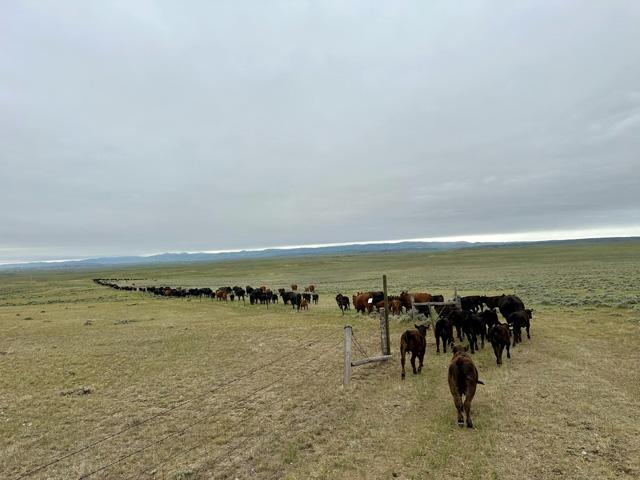
Although just last week the cattle complex was trading red-hot and climbing to new highs in both the fed cash cattle market and the live cattle contracts, unfortunately, in the fast-paced world we live in, that doesn't mean we can take our eye off the ball and become lackadaisical.
As the calendar has now officially turned to May, here are three things that you may want to ponder in your spare time.
DROUGHT
Drought and its consequences should be at the forefront of your mind. With much of the U.S. affected by drought to one degree or another, it's worth considering how drought could affect your operation in the next month, three months and six months. For some producers, unfortunately, that could mean selling pairs early this year, as they simply don't have the grass to turn out on. For others, that could mean selling some less desirable stock to keep stocking rates low on vulnerable grasslands.
The current drought situation is concerning for one key reason: the High Plains' prime growing season runs from April through June, yet above-normal moisture isn't expected until later in the summer. By the time that rainfall arrives, it may be too late to meaningfully improve pasture conditions this year.
P[L1] D[0x0] M[300x250] OOP[F] ADUNIT[] T[]
According to Monday's Crop Progress report, the following share of pasture and range conditions were rated poor to very poor across the top 10 beef cow states: Texas 42%, Oklahoma 33%, Missouri 2%, Nebraska 72%, South Dakota 41%, Montana 48%, Kansas 27%, North Dakota 6%, Florida 45% and Kentucky 20%. DTN Senior Livestock Editor Jennifer Carrico shared more about the stresses of drought and fire here: https://www.dtnpf.com/….
CALF MARKETING
Before you know it, it's going to be time to market your 2026 calf crop, and you need to have some strategy in place to do so wisely.
It's hard to believe that in a little over a month's time, the industry will be closely watching Superior's Corn Belt Classic, which is set to be held June 16-18, and then all eyes will be on Northern Livestock Video Auction's Ealy Summer Special, which is set to be held on June 25.
While I know it's crucial to get water turned on and calves branded right now, you also need to consider how you plan to best market your calf crop this year, because the industry's first big feeder cattle sales will begin in about six weeks.
MARKET STRENGTH
The market remains strong and is not likely to change in the immediate future. Strong beef demand continues to provide support, and if drought conditions don't improve, the cow herd's ability to expand in the coming months could be negatively affected. Either way, market leverage would remain in the hands of cow-calf producers.
What remains certain is that the bull market will fade and prices will soften at some point. It's vital we have our "house in order" for when that time comes. So, I ask you: what are your business's weak points? What generates you the most income, and what expenses are you unnecessarily paying for? Where should you be focusing on growth and greater opportunity? And what facets of your operation should you potentially let go of?
It's easy to get caught up in the good times of the market and to spend a little extra here and there, but I warn you that in order to weather the market's next downturn, we have to be preparing our operations now for the turmoil that's inevitably going to come.
I hope that moisture finds your pasture, and that your calves are strong and healthy and ready for the summer months. Let us all pray for the summer ahead, because if rain doesn't come -- it could be a long one.
ShayLe Stewart can be reached at ShayLe.Stewart@dtn.com
(c) Copyright 2026 DTN, LLC. All rights reserved.