



Ask the Mechanic
Fuel the Fire
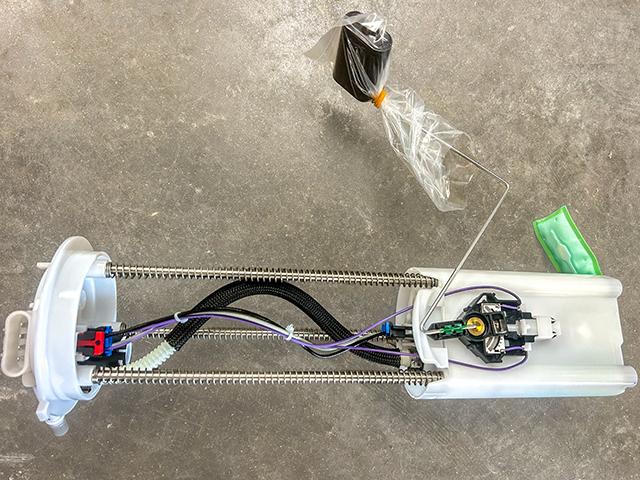
READER: I am attempting to get the fuel gauges working on all my vehicles around the farm. I have always wondered why the electricity associated with a fuel gauge never sets the tank on fire. There are 12 available volts to the fuel gauge marked B on my tractor, and the wire from the fuel gauge marked S runs straight to the sending unit that is located on the outside of the fuel tank. However, my truck's fuel gauge is completely submerged in fuel in the tank, and it also has a fuel pump associated with it. What keeps all that electrical activity from setting the fuel on fire and burning up the tractor and truck? This is something that I have always wondered about. What is the answer?
P[L1] D[0x0] M[300x250] OOP[F] ADUNIT[] T[]
STEVE: The answer is simple: An electric fuel pump or an electric fuel gauge (combination in the photo accompanying this article) will not start a fire because of two things in play here. One: The fuel acts as a coolant and fire retardant. Two: There is not enough oxygen for combustion. There is no oxygen in the liquid gas. Liquid gasoline will not burn. The fuel pump is immersed in fuel, and what is running through the pump and the fuel around it are in a nonflammable state. To start a fire, you must have fuel, oxygen and a heat source. Even if the fuel tank on the vehicle is almost empty or is empty of fuel, the small amount of liquid and vapor creates an environment that is too rich (lack of oxygen) for any ignition. The fuel pump on your truck is running on 12 volts, but more than likely the fuel gauge has only around 5 to 10 volts. Most fuel gauges have an internal or external resistor that helps keep the voltage down. Again, lack of oxygen or a heat source equals no fire. I guess the next question is, "Why can an empty fuel tank blow up when hit with a torch?"
I guess the answer can also be this month's "Safety Tip of the Month." CAUTION: Even a fuel tank that has been out of service can explode when a torch is applied, because the torch provides the ignition source for existing vapor that has had time to mix with oxygen in the tank. Time will not allow all the vapor to exit the tank and can create the proper fuel-to-air ratio to ignite, creating a huge explosion. Working on fuel tanks that seem empty of a vapor/oxygen mix by welding or cutting has killed and severely injured many people, including one of my best friends who was remodeling an old fuel tank to fit his truck bed. Your life is worth more than the cost of a new tank.
**
-- Email Steve Thompson care of askthemechaniccolumn@gmail.com, and be sure to include your contact information and phone number.
[PF_0226]
(c) Copyright 2026 DTN, LLC. All rights reserved.