



Family Business Matters
Succession, Legacy and a Meaningful Life
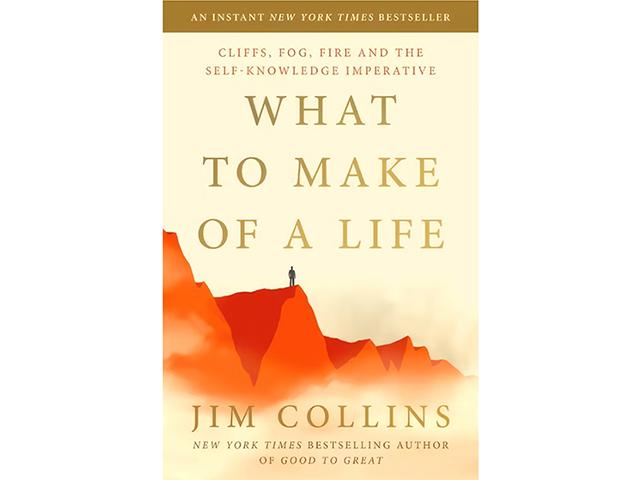
I love it when a book helps my thought process around family business succession. Jim Collins' latest work, "What to Make of a Life: Cliffs, Fog, Fire and the Self-Knowledge Imperative," is just such a book. Collins, 25 years after writing the bestseller "Good to Great," pairs famous people from different segments of society to answer the question, "What makes a meaningful life?"
That question is not much different from what many family business owners ask, namely, "What makes a meaningful legacy?"
Working on what you leave to your family often focuses on land, equipment or money. But, legacy also includes the examples you set, the lessons you teach and the behaviors you inspire. Prior generations might have given you land, but they also ignited your passion for agriculture. They might have given you money, but they also taught you how to manage resources. The way an elder once encouraged you makes you consider how to be an effective mentor to others.
P[L1] D[0x0] M[300x250] OOP[F] ADUNIT[] T[]
A major point of Collins' book is that the vocational roles you choose, the way you handle success, how you navigate difficult circumstances and the responsibilities you choose beyond yourself are the primary ingredients that give your life meaning. They are also what leave a lasting impression on others and what people will remember about you -- which, I believe, is your true legacy. Here are some specific ideas to consider when contemplating this broader notion of legacy.
Determine your encodings. This is the unique constellation of interests and talents that help you excel in your chosen role. What are you best at? When are you most effective, fulfilled or happy in your work? In what environments do you excel? What do others say are your strengths? Pay attention, ask for feedback and seek opportunities that play to your unique encodings.
Consider how you navigate cliffs and fog. These are the retirements and career changes, life-altering accidents, disorienting health challenges and failures in life we all experience at one time or another. Navigate these by focusing on the immediate next steps you need to take and looking for new ways to use your encodings. Don't make major decisions immediately after a cliff or while wandering in the fog. In some cases, you will realize new talents and strengths you didn't know you had. For example, Collins points out how Michael J. Fox has navigated life with his diagnosis of Parkinson's disease and how Charles Colson created a meaningful life after the Watergate scandal.
Remember your purpose. Financial wealth is not the goal of your work but a result of pursuing what you love to do. Net worth, business revenue, acreage or herd size are metrics of success only to the extent that they fuel your passion and foster the use of your encodings. If financial or size goals become ends unto themselves, you will find yourself disappointed and perpetually unfulfilled.
Choose a responsibility beyond yourself. Collins observed that people who stayed motivated late in life chose responsibilities that "faced outward" toward "something or someone beyond their own individual success, comfort, recognition, enjoyment or achievement." It might be helping a charity or church, caring for an individual or serving a group, but it is something that makes a difference for someone else. By choosing such a responsibility, it creates meaning for you and, by extension, makes a difference to those around you and to those who come after you.
Succession planning is about passing things to others. Give your family members and future generations a picture of a meaningful life well-lived, and you will have accomplished your plan.
**
-- Email Lance Woodbury at lance@lancewoodbury.com
[PF_1026]
(c) Copyright 2026 DTN, LLC. All rights reserved.