

Don't Let Your Farm Be an Easy Target
Keep Out!
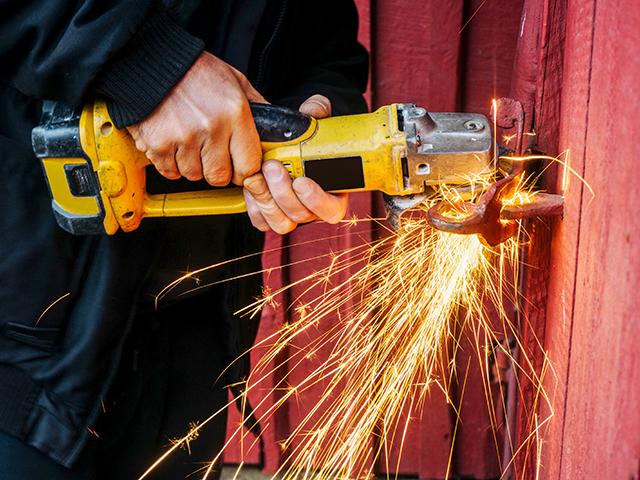
During harvest last fall, a farmer turned to a rural community Facebook page for help. Overnight, thieves stole his pickup loaded with tools and a welder, along with a fuel trailer, from where he'd parked the combines.
It's not just farmers turning to their social networks for help solving crimes. Sheriffs, including Gage County, Nebraska, Sheriff Millard "Gus" Gustafson, often use social media to alert people of crimes and warn people to protect themselves.
After a reported theft of copper wire from an irrigation pivot in January, Gustafson issued an online news release encouraging other farmers to check their equipment. "Reporting crimes as soon as possible increases the likelihood of determining who is responsible and making an arrest," he says.
People affected by crimes, including phone and online scams, are often embarrassed and don't want to tell others. "We can't catch criminals if we aren't aware of them," he continues, adding that sharing details about scams may deter them.
While it's notoriously difficult to track farm theft nationally, farms and ranches face unique security challenges. Valuable equipment, fuel, tools and inputs are often spread across multiple locations, far from home and watchful eyes. Social media is helping rural communities spread the word when problems arise, but experts say there are practical steps farmers can take to make their property less attractive to thieves.
KNOW WHAT THEY'RE LOOKING FOR
Rural crimes, such as irrigation equipment thefts, often happen in inconsistent spurts, Gustafson explains.
"It costs quite a bit of money to fix," he says of irrigation equipment theft, which usually occurs where it's difficult to monitor with cameras. "You can't really put a light: The pivot goes around."
Isolation of farms makes vigilance even more important. Gustafson says farm theft can occur during busy times such as planting and harvest, but it also happens during winter, when farmers may not check remote equipment as regularly.
Gustafson notes properties that appear abandoned or unoccupied can be especially vulnerable.
"It's absolutely the easiest situation," he says. Sometimes, thieves will even check when funerals are happening in local churches then rob their places. "You can hardly trust anyone anymore, and that's a shame."
Emily Atwood, director of Nationwide's risk-management team, says thieves look for easy targets -- items that can be taken quickly and easily resold. That can include chemicals, fertilizer, seed, hay, fuel, tools, copper wiring, ATVs, UTVs and other portable equipment. Fuel is also a big one when gas and diesel prices are high.
MAKE IT HARDER TO STEAL
Atwood says better security can reduce the risk of costly downtime and financial losses. It will look different on every farm based on its unique risks.
"With the ag economy the way that it is, taking a proactive approach to safeguard the farm is extremely important," she says, adding that farmers can start with physical measures like fences, gates, locks, lighting and signage.
P[L1] D[0x0] M[300x250] OOP[F] ADUNIT[] T[]
"Then, they can take it a step further and look into fuel shutoffs, lockable tanks, tank monitoring-type systems," Atwood adds. She also suggests looking into some of the companies that specialize in GPS tracking for equipment and others that produce cellular-enabled, solar-powered security cameras.
A set of online tips from Farm Bureau Financial Services (FBFS) stresses the importance of keeping buildings, yards and homes well-lit. "Whether you leave lights on or have them motion-activated, it will discourage criminals who don't want to be seen."
FBFS also suggests using dogs as deterrents and notes: "Beware of Dog" signs can be surprisingly effective.
FBFS also recommends marking equipment to make it easier to identify if stolen. One suggestion is putting a ZIP code on top of trailers where it can be spotted from the air or adding an easy-to-distinguish decal.
MAKE IT TRACEABLE
Both Atwood and Gustafson agree tools are frequent targets. Gustafson suggests marking them with an X or another unique identifier. Atwood recommends locking tools away, keeping them where they're not highly visible and maintaining an inventory list.
Atwood recommends photographing equipment and recording serial numbers so farmers can quickly give identifying information to law enforcement after a theft. She suggests keeping inventories of easy-to-steal things like diesel, fuel, chemicals and hay, and updating them on a regular basis.
Along with regularly scheduled inventories, she encourages creating a culture of security. Farmers and their employees should make sure they lock up facilities, move valuable things out of sight, keep a watchful eye out and report any suspicious behavior, vehicles or activity to local authorities. Atwood says it's important to talk to neighbors and make sure everyone looks out for each other.
"It's a different time now, and so we've got to be a little bit more careful, maybe less trusting than we used to be, so, again, being more mindful of how attractive some of those assets are if they're left unlocked," she explains.
CYBERSECURITY ALSO A CONCERN
Atwood says a critical aspect of farm security is often overlooked: cybersecurity.
"I think awareness is growing, but in many cases, it still lags" the risk potential, she says. "Farming and ranching operations are using more precision ag, cloud platforms, connected equipment, sensors and remote systems than ever before, which creates real efficiencies but also creates more entry points for cyber threats."
Think of it as business continuity planning, she says. A ransomware attack can create extended downtime that lasts days, weeks or even months, which can be costly to recover from.
She suggests farmers and ranchers protect themselves in the following ways:
-- Use multifactor authentication for email, remote access and business systems.
-- Keep software, firewalls and devices updated.
-- Back up critical data and test how to restore it.
-- Train employees and family to recognize phishing and suspicious behavior.
-- Limit and secure remote access.
-- Ask vendors hard questions about how your data is stored and protected.
"It needs to be treated like any other operational risk, because a cyber event can shut down business just as surely as a fire, windstorm or equipment failure," Atwood says.
Sidebar:
ARE YOU READY FOR THE "WHAT IF?"
Farmers and ranchers spend their careers managing risk. But, what happens when a theft, cyberattack, severe weather event or other disruption suddenly stops the operation?
Only 35% of farmers and ranchers have a formal business resiliency plan, according to Nationwide's 2024 study on farmer resiliency. The survey of 400 producers across 14 states looked at how prepared farm businesses are for unexpected disruptions and the steps producers take to reduce those risks.
"I would say that farmers are always thinking about the 'what if' scenarios," says Emily Atwood, director of Nationwide's risk-management team. "But, as far as having a written plan of action, that's where they probably don't take that next step."
Nearly half of surveyed producers take a "wait and see" approach to potential disruptions, while those with formal resiliency plans tend to take more steps to prevent losses and report greater confidence in their ability to respond.
The risks extend well beyond theft. Producers surveyed identified concerns ranging from extreme weather and supply-chain disruptions to loss of market access, labor challenges and technology failures.
Atwood says a resiliency plan doesn't have to anticipate every possible problem. Instead, farmers should identify vulnerabilities, determine steps that could reduce those risks and decide ahead of time how the operation will respond.
That planning can also involve employees, family members and others who need to know what to do when something goes wrong.
-- Nationwide offers a free Farm Risk Ready assessment to help producers identify risks and consider ways to mitigate them. You can take it at https://www.nationwide.com/…
[PF_1026]
(c) Copyright 2026 DTN, LLC. All rights reserved.