



Ask the Vet
What a Newborn Calf Needs to Get a Strong Start
DTN is rerunning this column from our archives because it's still relevant and useful advice.
**
READER QUESTION:
What factors should I consider when deciding what to give a newborn calf at birth? It seems like everyone looks at what calves should get at birth a little differently. What are your recommendations?
P[L1] D[0x0] M[300x250] OOP[F] ADUNIT[] T[]
DR. KEN MCMILLAN'S ANSWER:
Everyone looks at this differently -- and for good reason. It varies greatly depending on the part of the country in which you live, and even operations in the same area may have different needs.
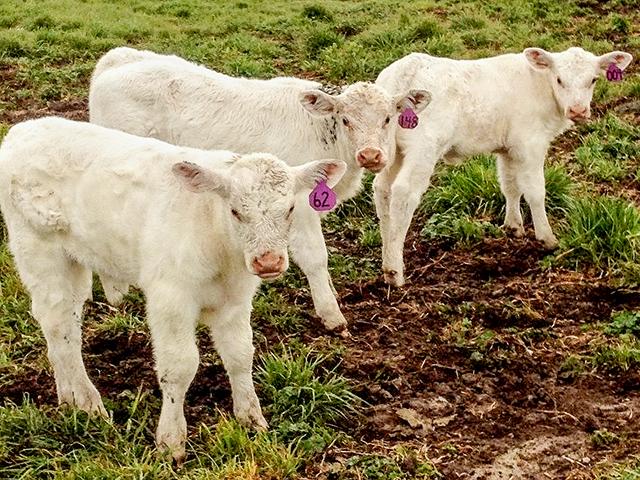
If a calf is normal, I want the calf up and nursing within two hours. The most important factor to calf health is getting them adequate colostrum in the first four hours. If there are any questions, I recommend giving a high-quality colostrum replacer. If the calf is cold and wet or dirty, cleaning and warming it up is critical. Anytime a calf is born in a dirty environment, the navel should be dipped with a disinfectant. I recommend tagging the calf as soon after birth as possible. This can be very helpful in matching cows to calves and identifying those always-pesky twins.
From this point on, I recommend getting with your veterinarian to develop a custom program to meet the needs of your herd. In some areas of the country, a selenium injection, or a product like Multimin, may be indicated. If your operation has issues with calf scours, vaccines for cows and for newborn calves may help, but calf vaccines should be given within the first 24 hours. Alternatively, a product like First Defense provides antibodies to E. coli, rotavirus and coronavirus.
Additional vaccinations are controversial since a calf's immune system is not fully developed at birth. Some people feel intranasal vaccines like Inforce 3 or Bovilis Nasalgen 3 may provide early protection for the common viral respiratory diseases. Other people give a clostridial vaccine at birth, but I really question the benefit of this practice.
I would appreciate hearing what our readers do for their newborn calves.
**
Editor's Note: Please contact your veterinarian with questions about the health of your herd or other animals. Every operation is unique, and the information in this column does not pertain to all situations. This is not intended as medical advice but is purely for informational purposes. Email Dr. Ken McMillan at vet@dtn.com.
(c) Copyright 2026 DTN, LLC. All rights reserved.

