



DEF System Failures Under EPA Scrutiny
EPA Investigates DEF Failures in Diesel Trucks, Seeks Data From Manufacturers
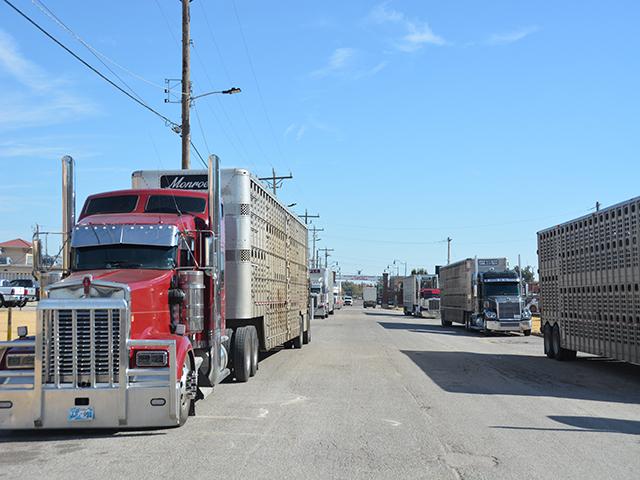
LINCOLN, Neb. (DTN) -- The U.S. Environmental Protection Agency is giving diesel equipment manufacturers 30 days to submit information to determine whether ongoing diesel exhaust fluid, or DEF, system failures are related to specific model years. This is a first step to potentially creating rules to further prevent sudden speed and power losses.
In August 2025, the Trump administration announced new guidance that allows farmers and truckers to revise software to prevent sudden speed and power losses caused by DEF.
Starting with model year 2027, that guidance requires all new diesel on-road trucks to be engineered to avoid sudden and severe power loss after running out of DEF.
On Tuesday, EPA announced it is requesting information from the top 14 manufacturers that account for 80% of all products that use DEF systems, on data on warranty claims, failure rates and repair information for model years 2016, 2019 and 2023 emission control products.
The EPA said the Clean Air Act allows the agency to require manufacturers to provide information needed to assess whether emission control systems are functioning properly and whether manufacturers are meeting their obligations to identify and fix defects.
"The agency is committed to working with manufacturers to ensure practical, durable solutions that simultaneously support emissions reductions and reliable operations," the EPA said in a news release.
P[L1] D[0x0] M[300x250] OOP[F] ADUNIT[] T[]
"EPA has been meeting with manufacturers to receive updates on their progress in developing improved software in response to EPA's guidance. The agency has consistently encouraged manufacturers to provide the relief as quickly as possible."
The agency said it is "actively working" on its proposal to update the 2022 heavy-duty engine and vehicle nitrous oxide (NOx) rule.
"It is being thoroughly assessed whether derates may no longer be necessary for compliance," the EPA said on Tuesday.
When DEF runs out or a system sensor fails, current systems can force a vehicle to drastically reduce speed or become inoperable. Vehicles are often limited to as little as five miles per hour within hours of a DEF-related fault, which causes disruptions in logistics, agriculture and construction.
Under current regulations, when selective catalytic reduction (SCR) technology sensors fail, vehicle operators have just four hours before a diesel engine becomes barely operable with speeds reduced to five miles per hour before shutting down.
The August 2025 guidance for heavy-duty trucks allows only a warning light will appear for 650 miles or 10 hours after a fault is detected. In addition, EPA said there would be no effect on vehicle performance for at least one day.
EPA said the new guidance would lead to a derate of the engine by about 15% without limiting speed. This would allow trucks to operate normally for up to 4,200 miles or two additional work weeks. Speed would drop to 25 miles per hour after about four weeks of operating.
"The issue facing farmers, truck drivers, and equipment operators remains clear to the agency," EPA said in the news release on Tuesday.
"Sudden speed losses and shutdowns caused by DEF system failures compromise safety and productivity."
Read more on DTN:
"EPA Eases DEF Systems Requirements," https://www.dtnpf.com/…
Todd Neeley can be reached at todd.neeley@dtn.com
Follow him on social platform X @DTNeeley
(c) Copyright 2026 DTN, LLC. All rights reserved.