

Sort and Cull
Meat-Packing Consolidation Could Keep Ranchers From Herd Rebuild
By now it's likely that you saw that on Aug. 13, Tyson Foods announced it will close its Joslin, Illinois, and Eagle Mountain, Utah, plants, and intends to sell its plant in Pasco, Washington. DTN Senior Livestock Editor Jennifer Carrico covered the matter in great length here: https://www.dtnpf.com/….
But upon pondering the matter even more during the weekend, I'd like to share a couple more thoughts.
P[L1] D[0x0] M[300x250] OOP[F] ADUNIT[] T[]
From a short-term perspective, Tyson's announcement is likely going to have more effect on the futures market from a psychological standpoint than it actually is going to have on a logistical or throughput basis. With where the industry sits today with supply, there is enough capacity for the number of cattle being killed on a weekly basis.
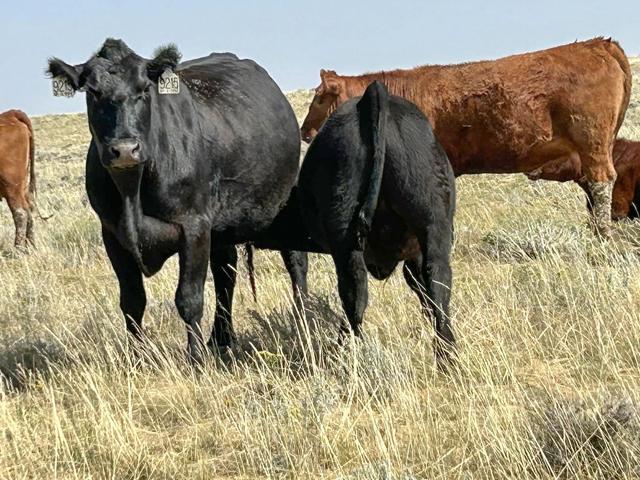
But where the market is going to struggle lies ahead. Further consolidation in the packing sector is only going to negatively affect fed cash cattle prices when supplies increase, which then begs the question: If cow-calf producers know that packers have gained even more long-term leverage and that fed cash cattle prices could be challenged in the upcoming years because of built up supply and decreased shackle space, how aggressive do you think cattlemen are going to be when it comes to rebuilding their herds?
July's Cattle Inventory report showed that some light rebuilding has started in terms of retaining beef replacement heifers, but with hay prices high, drought still plaguing much of the western U.S., the border now set to reopen to Mexican cattle imports on Aug. 24, and now seeing even more consolidation in the packing sector, I believe that the recent developments in the market could deter producers from rebuilding their cow herds as the marketplace remains subject to too much instability.
ShayLe Stewart can be reached at shayle.stewart@dtn.com
(c) Copyright 2026 DTN, LLC. All rights reserved.