


UNL: Sale Barns Boost Social Impacts
UNL Extension Report Details Livestock Sale Barns' Positive Social Impacts
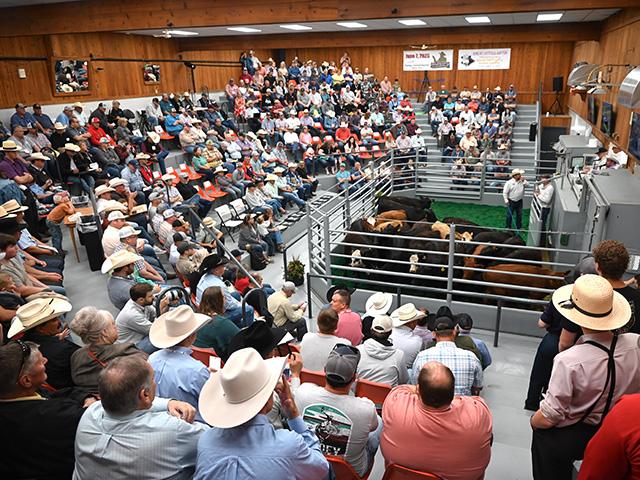
OMAHA (DTN) -- Nebraska's sale barns give rural communities a financial boost but also help rural residents create another community for them to part of, according to a new report titled Beyond the Auction. The report by University of Nebraska-Lincoln Extension examines the social impacts of the state's livestock sale barns.
There were six key findings from the 28-page report. Here they are:
-- Each livestock sale barn has a culture that is unique to its location. This culture is shaped by the sale barn's history and the people who work at and attend the sale barn auctions. In the sale barn environment, people build social connections by sharing stories, finding common ground and established social norms. This culture can also affect how individuals become part of the community outside the sale barn.
-- Sale barns are a social gathering. Besides buying and selling livestock, 60% of survey respondents at sale barns said that socializing, such as building relationships and offering support to others, was a reason they attended livestock auctions. Additionally, 63% said they have made new friends because of going to the sale barn.
P[L1] D[0x0] M[300x250] OOP[F] ADUNIT[] T[]
-- Sale barns offer spaces that support mental health. Sale barns offer support through social interaction that fosters a sense of community and belonging. These encounters provide an outlet to help individuals cope with industry challenges, which range from simple recognition for their hard work in producing quality cattle to more in-depth, one-on-one conversations about personal life.
-- Sale barns are learning places. The sale barn environment offers a wealth of knowledge, often passed down through generations, from interactions between buyers and sellers, and from sale barn owners and auctioneers. People learn by watching and evaluating cattle in the ring and then sharing insights about current market trends, animal health and feeding practices.
-- Improve livestock marketing skills. Sale barn interaction helps producers gain marketing skills that are used to develop future marketing plans for livestock. Learning is also translated into daily operational decision-making, such as how to manage the impacts of weather and drought and increased business opportunities gained through referrals.
-- Sale barns support the local economy. Many attendees often visit other nearby establishments to purchase supplies and conduct personal business. Without a sale barn, participants observed community changes such as the disappearance of local businesses, the loss of a gathering place for people to socialize and the erosion of community identity.
Researchers from UNL Extension gathered information for the report in three ways.
One method was a 15-question survey which was distributed at pilot sale barns to producers, buyers, sellers and sale barn workers. Individuals volunteered to complete the survey. The four pilot sale barns located in different parts of the state were in Bassett, North Platte, Ogallala and Palmyra.
Information was also gathered by in-depth interviews which were completed with study participants who had completed the survey and were conducted through video and phone conferencing later. In addition, some data was collected by UNL researchers from general sale barn observations.
The entire report can be viewed at https://cap.unl.edu/….
Russ Quinn can be reached at Russ.Quinn@dtn.com
Follow him on social platform X @RussQuinnDTN
(c) Copyright 2026 DTN, LLC. All rights reserved.

