



A New Safety Net for Heifers
What's Next for the Heifer Retention and its Livestock Risk Protection Policy
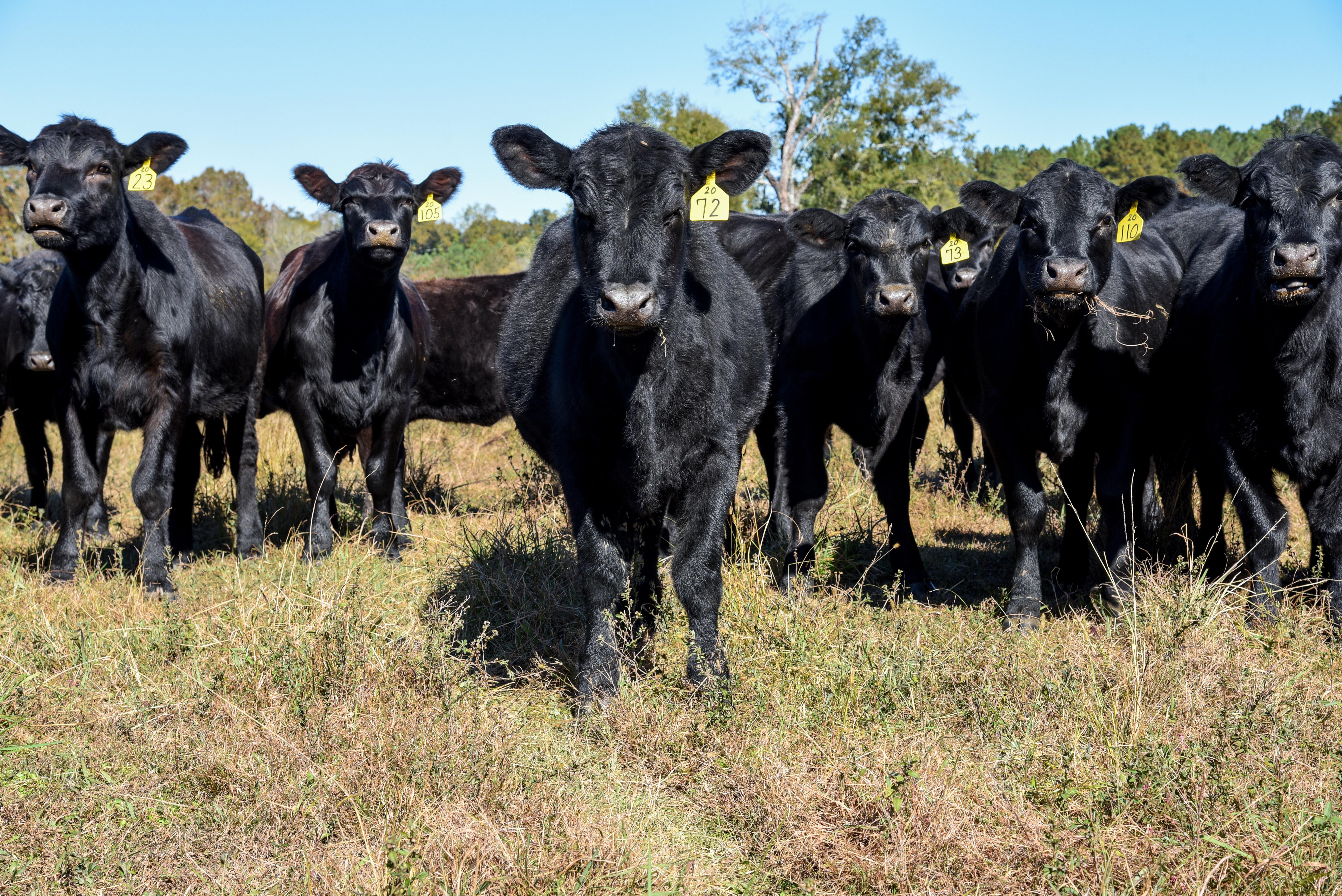
WASHINGTON (DTN) -- Livestock Risk Protection (LRP) coverage for breeding female cattle is now being developed and could be available for midyear policy selection next spring, livestock brokers and beef industry leaders told DTN.
Part of the Trump administration's effort to grow the U.S. cattle herd, the coverage would give producers a new tool to manage the economic risk of retaining heifers for breeding under the existing LRP program. How widely producers use the new coverage, however, remains uncertain.
The policy is currently being drafted by regular Risk Management Agency (RMA) contractors, with internal industry feedback being gathered, which is expected to be submitted for approval in the coming weeks, two sources familiar with the matter told DTN.
Typically, crop and livestock insurance follows a July 1 to June 30 policy year. A midyear offering would give producers access to the coverage before the next summer enrollment period.
Zach Tindall, a commodity broker at Producers Livestock Marketing Association in Akron, Iowa, told DTN, "Usually, anything that needs to change in an insurance policy goes into the handbook in the Spring, and the changes stick June 30th. Instead, USDA would seemingly offer this as a mid-year implementation."
As a broker, Tindall helps cattle producers manage price risk through futures, options and, for the past six years, LRP. Part of the voluntary livestock safety net, LRP has become a mainstream cattle risk-management tool as producers look to protect investments in high-priced feeder cattle.
Insurance providers, such as Hudson Crop, received confirmation that the product is in development, Tindall said.
USDA has yet to release additional information about the policy or respond to DTN's request for comment. Policy development follows a regular, long process: The policy is written, industry feedback is gathered, the Federal Crop Insurance Corporation approves it and commitments are secured from approved insurance providers that the policy will be offered.
FINE PRINT
The fine print will determine the policy's success and adoption, Tindall said. "It's a good idea on face value -- but a lot needs to be figured out."
The policy applies most to backgrounders, cow-calf producers, feeder cattle and some fed cattle.
When locking in a policy versus waiting for cattle markets to rally and choosing whether to breed a heifer, Tindall asks, "How do we distinguish whether that heifer is going to be bred? Are they going to have to maintain inventory for said bred heifer?"
P[L1] D[0x0] M[300x250] OOP[F] ADUNIT[] T[]
Right now, the only publicly provided text about the program comes from early September's Ranchers First Initiative, which indicated a policy would be developed to protect a heifer's value based on its expected slaughter value at the time of enrollment, to "insure the economic value of retaining a heifer for breeding over a two-year period."
Based on a policy concept written in August by Marin Bozic, the policy could cover a producer for 52 weeks, with payments spread out over several years. The producer would receive an initial payment, while the remaining coverage would be set aside and paid only if calf prices fall below the price set when the policy was purchased. That coverage would last through the next four calf crops, and any unused amount would expire. Producers could also adjust the amount of coverage based on the age, quality and value of the cow or heifer.
ADOPTION
Tindall has received an influx of calls over the past three years from producers who bought heifers with the intention of breeding them and are now trying to figure out how to protect those investments.
"There will be a lot of guys who look into it," he said.
But if the new endorsement follows current livestock insurance adoption rates, roughly 3% to 6% of the commercial herd, adoption could be limited.
Livestock insurance represents approximately $2.2 billion in annual premiums, according to AshRe, an agricultural reinsurer. Crop insurance premiums totaled $6.25 billion in 2025, according to the American Farm Bureau Federation.
Tindall has many LRP customers in Iowa, but nearly 50% of policies come from five states: Nebraska, South Dakota, Texas, Kansas and Oklahoma.
Many livestock insurers began working with the program between 2020, adapting to producer interest and seeing the most interest in the hog sector. Policies gained traction between 2021 and 2024, but activity later declined as "the cost (premiums) got relatively high," he said.
That's the concern in the policy and association world.
Ethan Lane, vice president of policy for the National Cattleman's Beef association, told DTN in an interview with DTN last week, "We don't know where our members would find value in insuring against price increases in their livestock in the in the coming years, I don't think that's where most of our producers' heads are at the moment."
Many of their affiliate members, including Nebraska and Texas, broadly supported expansions to LRP for bred heifers in their summer policy meeting this past summer, by voice vote.
But "that's a starter's pistol on a process, not a conclusion of a process," he said.
Lane explains that LRP is one of the few tools that allows producers to have some risk management with a low barrier to entry.
"I think the data is pretty clear that that you know as the premium has become more attractive, more producers have found value in managing risk through the program," he said.
But when protecting breeding heifers, Lane explained, "NCBA policy is really clear across the board. We are just not in favor of market altering government programs -- it's why, we aren't in the crop insurance game the same way a lot of other commodities are."
NCBA and its policy committee hope to have more discussion to find a "sweet spot," Lane said, where producers have skin in the game, but a voluntary risk management tool that offers a premium subsidy that "pencils for them."
For Tindall, the question ultimately comes down to the economics of retaining a heifer during a cattle market rally.
Come next year, like every year when considering how to protect against cattle livestock risk, Tindall asks, "Do I sell that heifer for $2,000 dollars or do I keep the heifer and hope she gets higher?
In year four or five of the cattle rally, that decision becomes a challenge to make, unsure if the market can go higher.
Read the first announcement, "New Insurance for Breeding Heifers," https://www.dtnpf.com/…
Also see: "Fewer Feeder Cattle, But Higher Value in LRP," https://www.dtnpf.com/…
LRP coverage for replacement cows and heifers concept plan: https://508h.commoditymarkets.com/…
Jake Zajkowski can be reached at jake.zajkowski@dtn.com
Follow him on social platform X @jzajkow
(c) Copyright 2026 DTN, LLC. All rights reserved.

